Choosing the best Incline T-Bar Row Machine in 2026 requires more than comparing prices or polished product photos. A reliable decision starts with real training needs, available floor space, and the machine’s construction quality. During practical evaluations, small details matter. A stable chest pad, smooth pivot, and secure foot platform can change how confidently you train. The frame should remain steady when you row heavy loads. No unwanted movement.
An effective Incline T-Bar Row Machine should support controlled pulling without forcing your shoulders into an awkward position. Check the pad angle, handle options, weight-loading system, and adjustment range. Taller users may need longer support surfaces. Smaller athletes may prefer closer handles and easier reach. Review manufacturer specifications carefully, then compare independent user feedback and warranty terms. Expert advice helps, but it should not replace your own inspection. Touch the upholstery. Test the lever path. Listen for rattling.
There is no perfect machine for every home gym or commercial facility. I have found that impressive features sometimes add complexity without improving training. That is worth questioning. A basic, rigid design may outperform a fashionable model after years of repeated use. In this guide, we will examine durability, biomechanics, comfort, maintenance, and overall value. The goal is not to recommend the most expensive option. It is to identify the machine that fits your body, training style, and long-term expectations. Still, personal testing remains important. Specifications can look convincing, yet daily use may reveal weaknesses.
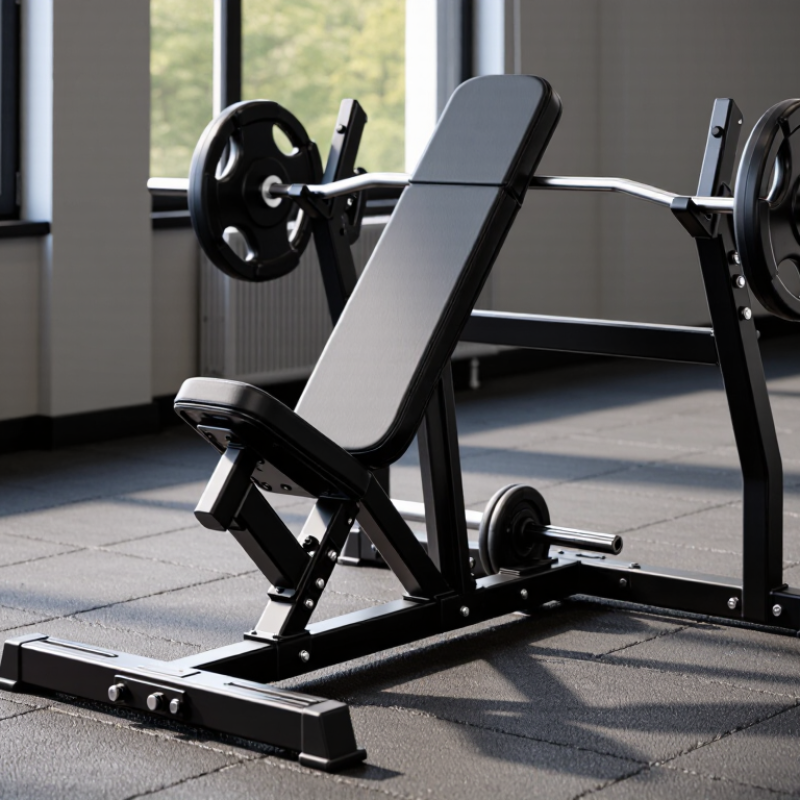
An incline T-bar row machine supports your chest against a slanted pad while you pull a weighted bar toward your ribs. The bar usually pivots from a fixed point near the floor. This path feels stable and predictable. Your feet press against a platform, and your hands grip neutral or angled handles. As you row, your upper back, lats, rear shoulders, and elbow flexors share the work. The chest pad limits unwanted swinging, but it does not remove every technique error.
In practical gym use, I adjust the pad so my sternum rests comfortably without restricting breathing. I keep my neck aligned and let my shoulder blades move naturally at the bottom. Then I pull without lifting my chest from the pad. Small plates often provide smoother progress than heavy jumps. A controlled lowering phase matters. It reveals whether the machine truly fits your body. My first mistake was choosing a steep pad because it felt more demanding. It also shortened my pulling range. More difficult is not always more effective.
When comparing machines in 2026, inspect the pivot movement, handle spacing, pad firmness, and foot support. The bar should travel smoothly without grinding or sudden stops. Check whether taller or shorter users can reach the handles comfortably. A durable frame helps, but adjustment quality matters more than appearance. Ask a qualified fitness professional to observe your setup if your shoulders or lower back feel strained. Even experienced lifters can miss subtle compensation. The best machine is the one that lets you repeat clean rows, track load changes, and train without distracting discomfort.
When choosing an incline T-bar row machine in 2026, start with its movement quality. The chest pad should support your torso without pressing painfully into your ribs. A stable base matters because wobbling can change your pulling path and reduce training control. I have found that a slightly angled pad often feels more natural than a completely upright design.
Check the handle system carefully. Neutral, wide, and close grips can target the back from different angles. Handles should feel firm, but they should not force your wrists into awkward positions. Adjustable chest-pad height is valuable for different body sizes. The best setting keeps your shoulders below your ears and your elbows moving smoothly toward your hips. Small details matter.
Load capacity is important, but it should not be the only deciding factor. Examine the frame welds, pivot points, foot supports, and weight-storage posts. These areas receive repeated stress during heavy sessions. A machine with oversized specifications may still feel poor if its bearings are rough. Test the starting resistance. It should move evenly, without sudden jumps.
Also consider floor space and maintenance access. A compact machine may fit better, yet a narrow footplate can limit stability. I once underestimated this issue. It made heavier sets feel less secure. Look for clear assembly instructions, replaceable contact surfaces, and accessible hardware. Reliable equipment should be easy to inspect, clean, and adjust over time.
When choosing an incline T-bar row machine in 2026, inspect the frame before admiring its finish. A broad base, reinforced welds, and thick steel reduce movement during heavy pulls. Stability comes first. Check whether the feet remain planted when your chest presses firmly against the pad. Small rubber feet can prevent sliding, but they may wear faster on rough floors.
Adjustability should match your body, not just the product description. Look for several chest-pad angles, a handle height that supports natural elbow movement, and foot supports with enough length for different users. A useful adjustment should lock firmly without forcing your shoulders forward. I once preferred a machine with many settings, yet its adjustment pins felt loose. More options do not always mean better control. Test every lever and pin if possible.
Weight capacity requires careful reading. Confirm whether the rating includes only loaded plates or also the user’s pulling force and body weight. A machine rated for 300 kilograms may feel unstable if its base is narrow. Check the sleeve length, frame balance, and plate-loading clearance. Leave a safety margin rather than training at the stated limit. Capacity numbers can be misunderstood. Ask for testing standards or written specifications from the seller. I would also examine bolt access and weld consistency, even when the machine looks polished. Surface appearance is not proof of long-term reliability.
Choosing the best incline T-bar row machine starts with contact points, not appearance. During equipment checks, I press the chest pad firmly and test several angles. A stable pad should support the sternum without restricting breathing. The handle should keep wrists neutral, even near the final contraction. Wide, slip-resistant footplates matter when heavy plates pull the torso forward. Small details matter.
Safety depends on predictable movement. Check the frame for lateral wobble, exposed pinch points, loose adjustment pins, and uneven welds. The load should travel smoothly without forcing the shoulders upward. WHO recommends muscle-strengthening activities on at least two days weekly, but frequent training increases the cost of poor design. A machine that irritates the shoulder after repeated sessions is not truly safe. I would also verify the stated maximum load, though published figures do not always explain testing conditions.
Training performance requires measurable consistency. The resistance should challenge the upper back without turning the row into a hip drive. A clear range of motion, secure chest support, and quick plate changes help users repeat productive sets. ACSM resistance-training guidance commonly supports two to three sets of eight to twelve repetitions for general strength development. ACSM’s Worldwide Survey of Fitness Trends also continues to place traditional strength training among major industry trends. Still, laboratory guidance cannot predict every body shape. I have found that a slightly imperfect angle may suit one lifter and frustrate another. Test the machine with controlled repetitions, not one dramatic lift.
Use this 100-point evaluation framework to compare incline T-bar row machines by comfort, safety, and training performance. A higher weighting indicates greater influence on the overall buying decision.
Evaluation guide: Training performance receives the highest weight because stable resistance and a controlled range of motion directly affect back-training quality. Safety covers machine stability, secure foot support, and reliable adjustment points. Comfort includes chest-pad support, body positioning, and reduced joint pressure during repeated sets.
Choosing the best incline T-bar row machine starts with your available space, not its appearance. Measure the floor area and ceiling clearance, then leave room for loading plates and stepping safely around the frame. A chest-supported design can reduce lower-back fatigue, while adjustable handles may suit different shoulder widths. Test the pad height and angle if possible. Your chest should stay firm against the support without restricting breathing.
Your training goal also matters. For muscle growth, choose smooth resistance, stable footplates, and several grip options. For strength, inspect the frame, welds, weight capacity, and movement path. Beginners may prefer a lighter, simpler model with clear adjustments. Experienced lifters often need stronger bearings and greater loading space. Do not trust impressive specifications alone. I once focused too heavily on maximum load and overlooked an uncomfortable chest pad.
Tips: Compare the machine’s full cost, including plates, delivery, flooring, and maintenance. Check its footprint with the handles fully extended. Try ten controlled repetitions before buying, if a showroom allows it. Watch for shoulder pinching, unstable feet, or a bar that swings near your knees. A smaller machine may fit a home gym better, but limited loading space can become frustrating later. Set a realistic budget, then reserve money for protective flooring and basic upkeep.
Look for a broad base, reinforced welds, and thick steel. Stability matters. Your feet should stay planted during strong pulls.
Check the chest-pad angles, handle height, and foot supports. Each pin should lock firmly. Loose adjustments can reduce control.
No. A narrow base may feel unstable, even with a high rating. Leave a safety margin below the stated limit.
Ask whether it includes plates, body weight, and pulling force. Request written specifications or testing details when possible.
Measure the frame, extended handles, ceiling clearance, and loading area. Leave a clear path for stepping around it.
Choose smooth resistance, stable footplates, and several grip options. A firm chest pad can help maintain controlled repetitions.
Inspect welds, bearings, frame balance, loading space, and movement path. Maximum load is not everything. I once overlooked comfort.
A lighter, simpler model may be easier to understand. Test ten controlled repetitions if possible. Watch for shoulder pinching or swinging handles.
Include plates, delivery, flooring, and maintenance. Protective flooring is easy to forget. Reserve money for basic upkeep.
No. A polished surface can hide weak welds or difficult bolt access. Inspect the construction closely. Looks can mislead.
Choosing the right Incline T-Bar Row Machine in 2026 starts with understanding how it supports chest-supported or angled rowing movements to target the upper back, lats, rear shoulders, and arms while reducing unnecessary lower-back strain. The best option should have a strong, stable frame, smooth movement, secure weight-loading system, and an adjustable chest or foot position that suits different users. Frame construction, overall footprint, weight capacity, and adjustment range are essential factors when comparing machines for a home gym or commercial training space.
Comfort and safety also play a major role in long-term performance. Look for supportive, durable padding, reliable handles, balanced resistance, and non-slip contact points to help maintain proper form. Your final choice should match your training goals, available space, experience level, and budget. A compact model may be ideal for limited rooms, while a heavier, more adjustable machine can better support frequent or advanced training. Evaluating these details carefully will help you choose equipment that is practical, comfortable, and effective.

We use essential cookies to deliver a faster, more secure browsing experience. You can accept or decline non-essential cookies.