0%

Choosing the right equipment shapes how safely and efficiently a gym serves its members. This guide examines the Top 10 Commercial Chest Press Machines for Gyms, focusing on practical performance rather than attractive showroom features.

A commercial chest press machine should feel stable under heavy, repeated use. Its frame must resist movement when members press unevenly. The handles should follow a natural path without forcing painful shoulder rotation. Adjustable seats matter, especially when users differ in height, arm length, and training experience. Thick upholstery, smooth bearings, and clearly marked settings also influence daily usability. Small details become obvious during busy hours.

Dr. Brad Schoenfeld, a respected resistance-training researcher, notes, “Machines can be an effective means of building muscle.” That point deserves context. A machine cannot replace thoughtful programming or competent supervision. It can, however, provide predictable resistance and support controlled pressing for beginners, older adults, and experienced lifters.

This ranking considers biomechanics, durability, maintenance access, footprint, user comfort, and warranty support. It also considers cleaning. Sweat reaches every contact surface. Poor padding and complicated adjustment systems can create avoidable maintenance problems. Some models look powerful but waste valuable floor space. Others feel basic yet survive years of commercial use.

No machine is perfect. That is worth admitting. A press that suits a performance-focused facility may frustrate a rehabilitation-oriented gym. Readers should compare these recommendations with their member profile, budget, ceiling height, and service network. The best Commercial Chest Press Machines are not merely the heaviest or most expensive. They are reliable tools that encourage consistent, confident pressing.
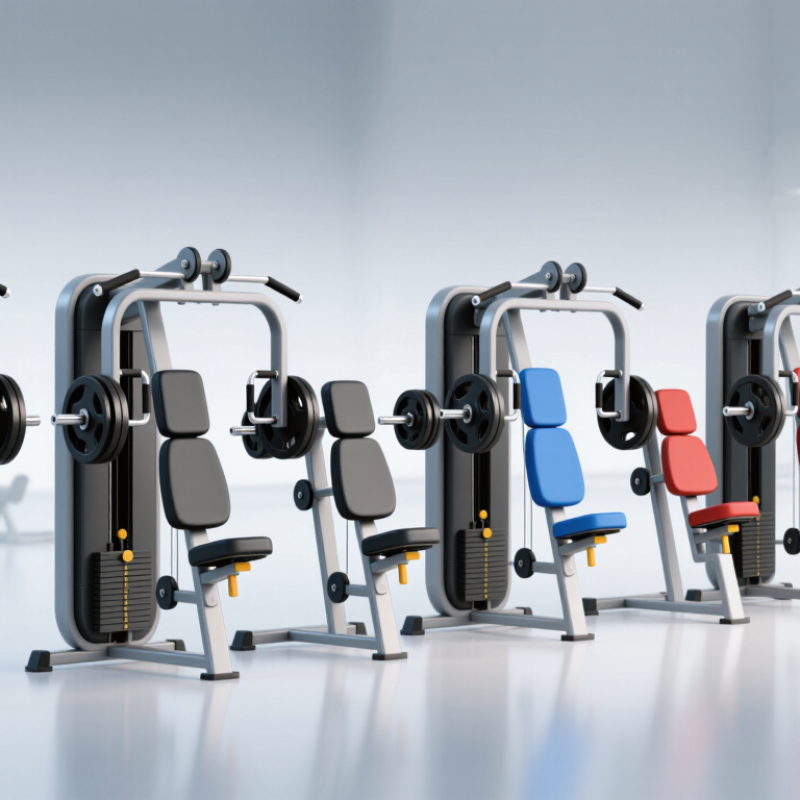
Top 10 Commercial Chest Press Machines for Gyms

Commercial Chest Press Types: Plate-Loaded, Selectorized, and Cable Systems

Top 10 Commercial Chest Press Machines for Gyms

A commercial chest press should match gym traffic, coaching style, and maintenance capacity. The three main systems—plate-loaded, selectorized, and cable—create different training experiences. In busy facilities, I have seen small setup details affect member confidence. A stable seat, clear adjustment points, and smooth handles matter more than dramatic styling. That matters daily.

Plate-loaded presses use weight plates for direct resistance and a familiar lifting feel. They suit experienced members who want small loading changes and independent arm movement. However, plates require storage, loading space, and regular checks for loose hardware. Selectorized presses use a weight stack and pin, making resistance changes quicker for mixed-level users. They often support safer self-guided sessions, but poorly adjusted seats can change shoulder position. I would test the starting resistance carefully.

Cable chest systems add adjustable angles and support pressing, fly, and unilateral exercises. Their versatility helps smaller gyms serve more programs with one frame. Yet cables need attentive inspection because frayed strands, noisy pulleys, or uneven tension reduce trust. I once favored the most versatile frame, then noticed its adjustments slowed busy sessions. During evaluation, check range of motion, upholstery seams, frame stability, and access around the machine. Ask staff to perform repeated sets. Real use reveals weaknesses.

Evaluation Criteria: Load Capacity, Adjustability, Footprint, and ISO 20957 Safety

Choosing a commercial chest press starts with load capacity. A busy gym needs a machine that handles repeated use without wobbling or feeling strained at heavier settings. Check the frame rating and the resistance increments, not just the maximum number on a product sheet. Small jumps can help new members progress with control.

Adjustability affects both comfort and safe positioning. Look for a seat that moves in clear, secure steps, with handles that suit different arm lengths. When seated, users should be able to press without their shoulders rolling forward or their wrists bending sharply. Try the adjustment yourself. A label can’t tell you everything.

Footprint matters when machines sit close together. Measure the full operating area, including space for users to enter, exit, and extend their arms. A compact frame may save floor space, but awkward access can slow busy sessions. It happens. For safety, review documentation against the relevant ISO 20957 requirements for stationary training equipment, and inspect guards, fasteners, and pinch points. Standards are useful, not magic; routine checks and clear maintenance records still matter.

Top 10 Machines Ranked by Biomechanics, Durability, and Member Throughput

A useful chest-press ranking starts with movement quality, not appearance. The strongest choices let members press smoothly while keeping shoulders supported and wrists neutral. For biomechanics, the top tier includes converging-arm, independent-arm, and adjustable seated press machines. These designs can accommodate different arm paths and body sizes. A fixed-path press can still work well, but its handles may not suit every member. Fit matters.

For durability and daily traffic, prioritize a sturdy frame, replaceable upholstery, accessible adjustment points, and cables or pivots that are easy to inspect. A practical top ten might rank: 1, converging plate-loaded press; 2, independent-arm selectorized press; 3, adjustable multi-grip press; 4, traditional selectorized press; 5, iso-lateral plate-loaded press; 6, compact seated press; 7, decline press; 8, horizontal press; 9, chest-and-shoulder combo unit; and 10, space-saving wall-side press. The order should shift with the facility’s layout and member mix.

Throughput depends on more than resistance. Clear seat markings, quick pin changes, and simple entry and exit help reduce delays between sets. Watch members use the machine during busy hours. Are they reaching awkwardly for the handles? Do adjustments interrupt the workout? Small issues become noticeable. I would also inspect welds, hardware, and upholstery over time; a ranking based only on a showroom visit can miss real wear. No ranking is perfect.

Commercial ROI: Purchase Cost, Warranty Coverage, Maintenance, and Cost per Use

A commercial chest press should be judged by lifetime cost, not its sticker price. The Health & Fitness Association’s 2024 Global Report counted 72.9 million U.S. health-club members in 2023, underscoring the heavy use equipment may face. That figure is not a forecast for any single gym. Still, it makes durability and downtime worth pricing carefully.

Compare purchase cost, delivery, installation, and expected repairs over the same service period. NIST Handbook 135 describes life-cycle cost analysis as a way to compare costs across an asset’s lifetime.

Check warranty terms closely: frame coverage may differ from coverage for cables, upholstery, and labor. Ask who pays for technician visits, and whether wear from normal commercial use is excluded. Small print matters. A long warranty is not automatically generous.

Estimate cost per use: total ownership cost divided by completed workouts. For example, a $6,000 machine costing another $1,500 to maintain, used 30,000 times, costs about 25 cents per use. This is only an estimate; low utilization or long repair delays can change it sharply. Track monthly usage and service calls for each press. A quiet machine that sits unused may look efficient on paper. That deserves a second look.

ACSM Programming Fit: 2–4 Sets and 8–12 Repetitions for Resistance Training

A commercial chest press should make ACSM’s familiar prescription practical: 2–4 sets of 8–12 repetitions. ACSM’s 2009 position stand on resistance training identifies this range for improving strength in novice and intermediate adults. Across a gym’s top chest-press choices, prioritize stable seat adjustments, clear load increments, and handles that let users press without shoulder discomfort. A machine is useful only when members can set it up correctly. Small details matter.

For a new member, begin with a load that allows eight controlled repetitions, then build toward twelve. Keep the back against the pad and lower the handles until the elbows approach the torso, without forcing a deep stretch. Rest long enough to repeat the movement with steady form. When all sets reach twelve clean repetitions, increase the load modestly. ACSM’s guidance is not a perfect fit for every person; pain, training history, and recovery can change the plan.

Tips: Post a simple seat-setting guide beside the machine. Ask users to test a light load before working sets. Watch the final repetitions: if shoulders rise or the handles jerk, reduce the weight. It is easy to chase heavier numbers. That is not always better.

FAQS

What are the main types of commercial chest press machines?

Plate-loaded machines use weight plates. Selectorized machines use a pin and weight stack. Cable systems allow adjustable angles and several pressing movements.

Which chest press is easiest for mixed-level gym members?

A selectorized machine often makes load changes quick. Members can move a pin instead of carrying plates. Check that the seat adjusts clearly.

What should gyms consider before choosing a plate-loaded press?

It offers direct resistance and may allow independent arm movement. Allow room for plates and storage. Check bolts and loading areas regularly.

When is a cable chest system useful?

It can support presses, fly movements, and single-arm work. One frame may suit a smaller training area. Adjustments can slow busy sessions, though.

How should a member set up for chest presses?

Adjust the seat so the handles meet the chest comfortably. Keep the back against the pad. Test a light load first.

How many sets and repetitions are commonly recommended?

A common guideline is 2–4 sets of 8–12 repetitions. It may not suit every person. Pain, experience, and recovery can change the plan.

When should someone increase the chest press weight?

Increase it modestly after completing all sets for twelve controlled repetitions. If the shoulders rise or handles jerk, reduce the load.

What maintenance checks help keep a chest press dependable?

Inspect upholstery seams, frame stability, and moving parts. For cable systems, look for frayed strands, noisy pulleys, or uneven tension. Small faults matter.

Conclusion

This guide to Commercial Chest Press Machines compares plate-loaded, selectorized, and cable-based designs to help gym operators choose equipment suited to their members and facilities. It explains how to assess load capacity, seat and handle adjustability, footprint, movement quality, durability, and safety considerations associated with ISO 20957. The ten machines are ranked by biomechanics, construction, and their ability to keep members moving efficiently during busy periods.

The guide also considers the full cost of ownership, including purchase price, warranty coverage, expected maintenance, and cost per use. To support practical programming decisions, it outlines how chest press machines can fit common resistance-training plans, including two to four sets of eight to twelve repetitions. Together, these criteria offer a useful framework for balancing training experience, operational needs, and long-term value.

Seraphina

Seraphina

Seraphina is a professional marketing specialist dedicated to helping businesses understand products, markets, and customer needs through clear, practical, and insightful communication. With a strong understanding of the company’s solutions, she regularly creates and updates professional blog......