Commercial Grade Strength Machinery Showcase
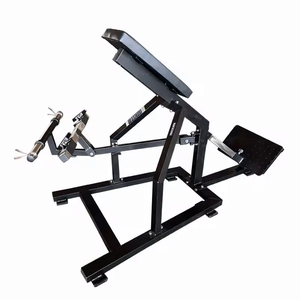
Commercial Gym Equipment Popular T Bar Rower Reloaded Incline Level Row Multi-Gym Fitness Machine Made Of Steel
Send an Inquiry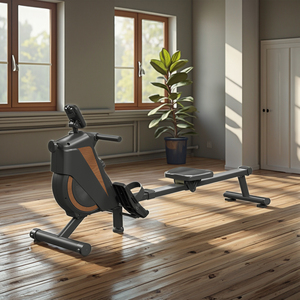
Professional-Designed Magnetic Resistance Indoor Seated Rowing Machine with Digital Monitor Guaranteed Quality for Home Gym Use
Send an Inquiry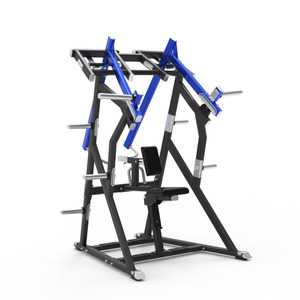
New Style Workout Gym Machines Commercial Strength Training Fitness Equipment Seated Rowing Machine for Sale
Send an Inquiry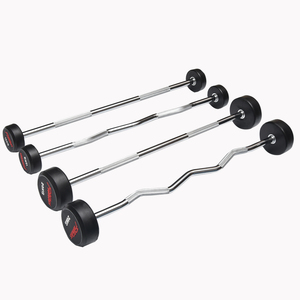
Customized Logo Heavy Duty Weightlifting Bar With Printed Logo Free Weights Barbell Set Fitness Equipment
Send an Inquiry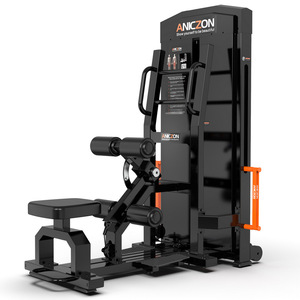
Commercial Steel Hip Thrust Machine F224 Glute Sculpting And Booty-Lifting Fitness Equipment
Send an Inquiry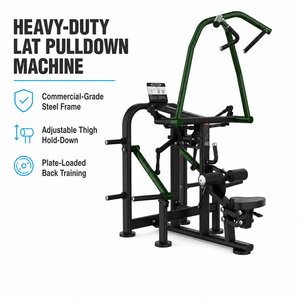
A704 Model Seated Low Row Machine Heavy Duty Commercial Gym Strength Equipment
Send an Inquiry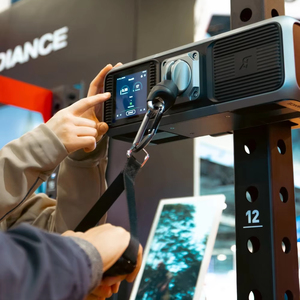
Innovative Portable Smart Cable Trainer Gym Digital Resistance Machine For Home Gym Fitness Distributor Wanted
Send an Inquiry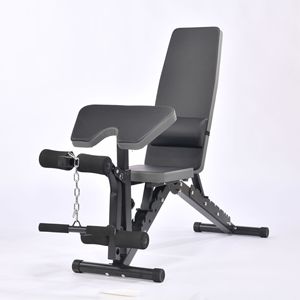
Factory-Direct Adjustable Foldable Dumbbell Bench Flat/Incline Home Gym Chair Fitness Equipment Sit-Up Board YLD-509 Jinhua
Send an InquiryCE Certification & Regulatory Compliance in Fitness Equipment Manufacturing
In the global commercial fitness landscape, the procurement of strength equipment is governed by rigorous mechanical safety, structural integrity, and ergonomic compliance frameworks. For commercial gym owners, facility operators, corporate wellness directors, and international equipment importers, verifying that manufacturing facilities produce genuinely CE-certified club fitness equipment is not merely a legal protocol—it is the foundational benchmark for risk mitigation, liability reduction, and long-term asset value.
European conformity (CE Marking) signifies that commercial strength machinery, selectorized units, and free-weight stations comply with essential health, safety, and environmental protection standards. Specifically, commercial fitness equipment exported across Europe, North America, the Middle East, and Asia-Pacific must align with the EN ISO 20957-1 standard (general safety requirements and test methods) alongside specific sub-standards such as EN 957-2 (Strength Training Equipment) and EN 957-4 (Strength Training Benches).
Key Structural & Biomechanical Evaluation Pillars
- Structural Steel Gauge Integrity: Premium commercial factories utilize heavy-duty 11-gauge (3.0mm to 3.5mm nominal wall thickness) cold-rolled structural steel tubing (Q235/Q355 grade). This ensures structural frame rigidity capable of sustaining dynamic loads exceeding 500 kg (1,100 lbs) without permanent frame deformation.
- Biomechanical Cam Engineering & Vector Geometry: Unlike primitive equipment designs that cause joint impingement, advanced engineering applies variable radius cams that mirror human muscular strength curves. Resistance remains proportional through concentric and eccentric contraction phases.
- Industrial Powder-Coating & Corrosion Resistance: Surface finishing protocols involve multi-stage chemical pretreatment, iron-phosphate wash, electro-coat priming, and thermosetting electrostatic powder coating. Frames undergo 1,000-hour salt spray endurance testing to guarantee resistance against perspiration-induced corrosion.
- Linear Bearing Systems & Aircraft-Grade Cabling: Selectorized machinery integrates high-precision linear bearings paired with case-hardened steel guide rods. Cable assemblies utilize 7x19 strand military-spec aircraft cables rated up to 4,200 lbs (1,900 kg) tensile strength, jacketed in friction-reducing nylon extrusion.
Vertical Integration
Complete control over frame fabrication, robotic laser cutting, CNC tube bending, automated welding, and custom powder coating within centralized facility infrastructure.
Certified Compliance
Full CE Marking, ISO9001 quality system adherence, EN ISO 20957 Class S (Commercial Studio) certification, and RoHS compliant non-toxic upholstery materials.
Custom OEM/ODM Engineering
Tailored frame branding, custom color lacquering, bespoke leather stitching, and modified machine footprints to fit specialized architectural blueprints.
Commercial Gym Equipment Development & Procurement Trends
The global commercial fitness market is experiencing a profound structural shift. Driven by changes in member demographics, scientific advancements in biomechanics, and digital integration, fitness equipment exporters must continually adapt their manufacturing matrices. Commercial buyers evaluating multi-year facility investments should align their equipment procurement strategies with four key evolutionary vectors:
1. Convergence of Plate-Loaded and Selectorized Biomechanics
Traditional fixed-axis machinery is rapidly giving way to unilateral converging and diverging motion paths. Modern gym users demand equipment that moves in natural arcs consistent with human joint articulation. Independent movement arms eliminate dominant-side compensation, allowing targeted hypertrophy while protecting shoulder, hip, and spine kinetics.
2. Dedicated Posterior Chain & Glute Sculpting Machinery
Driven by strength conditioning protocols and fitness trends, commercial facilities are reallocating floor plans from cardio-heavy layouts to dedicated glute and posterior chain zones. Equipment such as heavy-duty belt squats, commercial steel hip thrust machines (e.g., F224 Glute Sculpting units), and chest-supported incline rowers are experiencing double-digit procurement growth year-over-year.
3. Digital Resistance Integration & Smart Cable Telemetry
Next-generation commercial fitness machinery is integrating electronic resistance engines, digital performance consoles, and Bluetooth telemetry. Smart cable trainers allow real-time concentric and eccentric load customization, giving personal trainers and club owners data-driven metrics on peak velocity, power output, and movement symmetry.
4. Sustainable Manufacturing & Circular Supply Chains
Global procurement directives increasingly mandate environmental accountability. Leading factories adopt energy-efficient fiber laser cutting, closed-loop powder-reclaim systems, zero-VOC upholstery tanning, and 100% recyclable structural steel packaging, ensuring compliance with global corporate ESG standards.
Commercial Manufacturer vs. Low-Cost Assembly Factory Matrix
Evaluating fitness equipment factories requires looking beyond superficial aesthetics. Below is a comparative engineering matrix detailing the technical differences between premier CE-certified factories and budget-tier commercial suppliers:
| Evaluation Parameter | Certified Premier Manufacturer | Low-Cost Budget Exporter | Commercial Impact |
|---|---|---|---|
| Frame Materials | 11-Gauge (3.0mm-3.5mm) Q235/Q355 Steel Tubing | 14-to-16 Gauge (<2.0mm) Commercial Steel | Prevents structural fatigue, frame flexing & weld failure under heavy load. |
| CE Certification Standards | Fully Tested EN ISO 20957-1 Class S Certified | Self-Declared / Non-Verified Documentation | Protects against legal liability, gym insurance claims & customs rejection. |
| Pulley & Cable Assembly | Aluminum/Nylon Deep-Groove Pulleys, 4200lbs Cable | Recycled Plastic Pulleys, <2000lbs Steel Cable | Ensures smooth travel, zero cable fraying & minimal routine maintenance. |
| Biomechanical Engineering | Custom CAM Profiles & 3D Kinematic Testing | Static Lever Arms & Copied Geometries | Maximizes muscle activation while eliminating joint strain. |
| Upholstery & Padding | High-Density Molded Foam, Anti-Microbial PU Leather | Rebounded Cut Foam, Low-Grade Vinyl | Resists tearing, moisture absorption, flat spots, and odor accumulation. |
| Warranty & Spare Parts Supply | 10-Year Frame, 2-Year Mechanical Parts Warranty | 1-Year Limited Warranty, No Guaranteed Parts | Protects facility operational uptime and long-term resale value. |
Frequently Asked Questions for International Equipment Buyers
What specific safety standards must CE-certified gym equipment satisfy?
CE-certified club equipment must satisfy EN ISO 20957-1 and specific sub-clauses (EN 957-2/4/5) for Class S (Studio/Commercial) use. Test parameters include dynamic fatigue testing (minimum 100,000 continuous cycles at maximum loaded capacity), static overload testing (up to 2.5x rated weight limit), pinch-point finger entrapment prevention, and non-toxic chemical testing for all contact surfaces.
How do commercial factories handle custom branding and OEM requests?
Premier exporters offer complete OEM/ODM customization. This includes laser-cutting facility logos into structural frame gussets, custom frame powder-coating matching corporate Pantone palettes, custom upholstery stitching, specialized weight stack increment badging, and personalized instructional shroud graphics.
What packaging standards are used to prevent ocean freight damage?
International shipments utilize multi-layer protective packaging: structural frames are wrapped in VCI anti-corrosion film, padded with high-density EPE foam armor, and secured on heavy-duty steel or plywood pallets. Vulnerable components like linear guide rods and pulleys are enclosed in reinforced wooden crates to prevent shipping movement.
What are the standard Minimum Order Quantities (MOQ) and lead times?
Standard commercial factory production runs operate on a 20ft container (approx. 28-30 CBM) or 40ft HQ container (approx. 68 CBM) base load to optimize sea freight logistics. Manufacturing lead times typically range from 25 to 40 days depending on customization complexity and component specifications.
How do biomechanical cam profiles differ from direct pivot designs?
Direct pivot designs exert static resistance levers that create uneven resistance peaks, placing unnecessary strain on joints at vulnerable insertion points. Biomechanical cam profiles vary the leverage radius throughout the range of motion, matching the muscle's natural torque capability for safer, more efficient strength development.
What long-term warranty policies protect institutional facility buyers?
Institutional warranties include 10-year structural frame coverage, 2-year coverage on linear bearings, cables, pulleys, and weight stacks, and 1-year coverage on upholstery and wearable rubber components. Verified factory exporters maintain dedicated spare parts inventory for immediate global air-freight dispatch.
Connect with Direct Factory Engineering Teams
Partner with an established manufacturer to build out your commercial gym facility, institutional weight room, or global distribution catalog. Request technical CAD layouts, complete factory pricing, and CE compliance documentation today.
Send an Inquiry