Featured Commercial Strength & Cardio Equipment
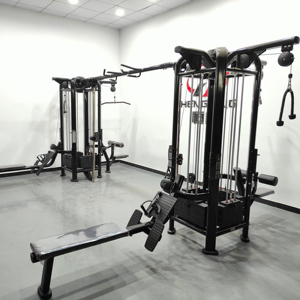
New Design China Supplier Top Quality Commercial Use 8 Station Multi Gym Equipment
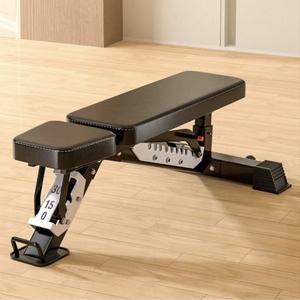
Bench Press and 13 Adjustable Positions Foldable Strength Training Bench with Metal Frame for Hotel Use Weight Lifting
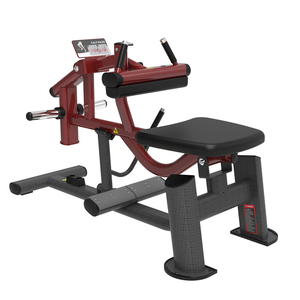
CAWY Professional Commercial Machine Super Horizontal Calf Strength Training Equipment For Leg Fitness CAWY -8312 Calf Raise
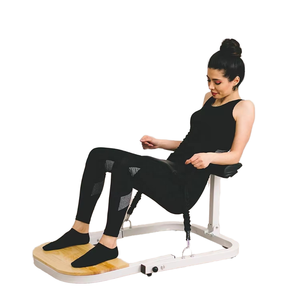
PINJIAN Heavy Duty Iron Hip Thrust Trainer Fitness Equipment Hip Thruster Glute Up Training Machine For Home Use
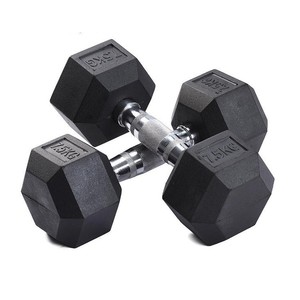
Factory Wholesale Black Rubber Coated Hex Dumbbell With Chromed Knurled Handle For Gym & Home Fitness
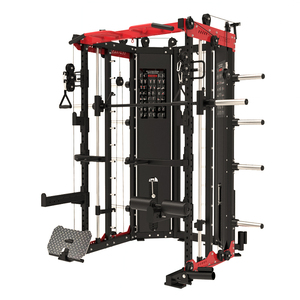
Commercial Gym Machine Multi Functional Trainer Smith Free Weight
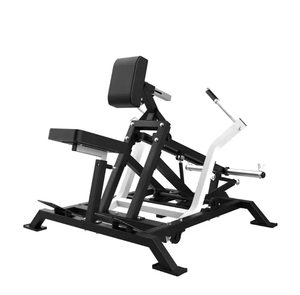
Commercial Gym Steel Rowing Machine Plate Loaded Back Training Seated Row Equipment For Arms Bodybuilding Chest Strength
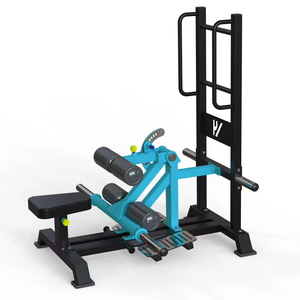
2024 New Arrival Commercial Glute Training Glute Building Equipment Home Gym Equipment Standing Hip Thrust Machine
Engineering Excellence in Commercial Exercise Bike Manufacturing
As global fitness facilities evolve toward higher operational duty cycles, smart data connectivity, and biomechanical precision, purchasing directors require equipment backed by rigorous structural compliance and verifiable Total Cost of Ownership (TCO) metrics.
Structural Integrity & Q235 Steel Frame
Fabricated using 3.0mm heavy-duty structural Q235 steel tubing, our exercise bike chassis withstand continuous multi-shift usage in high-traffic 24/7 fitness clubs without torsional flexing.
EMS Electromagnetic Resistance
Fitted with contactless Electromagnetic Induction Braking Systems (EMS), providing frictionless, silent, zero-wear resistance adjustments up to 500 Watts with millisecond response rates.
CE & EN ISO 20957 Class S Compliance
Fully compliant with European Union commercial safety parameters (EN ISO 20957-1 / EN 957-5 Class S), guaranteeing thermal stability, pinch-point elimination, and high load durability.
1. Technical Blueprint: Biomechanics & Engineering Standards
When procurement teams evaluate commercial indoor cycles, upright bikes, and recumbent exercise bikes, mechanical reliability hinges on structural stress distribution and drivetrain torque tolerance. Unlike consumer-grade indoor cycles designed for lightweight domestic operation (3–5 hours per week), true commercial exercise bikes are engineered to withstand continuous heavy loads exceeding 16 hours of daily operational stress under varying user weights up to 180 kg (396 lbs).
Our manufacturing matrix prioritizes three fundamental mechanical pillars: Factor-168 Ergonomic Q-Factor Alignment, Perimeter-Weighted Flywheel Inertia Dynamics, and Poly-V Kevlar Belt Drivetrains.
1.1 Ergonomic Q-Factor & Joint Kinematics
The distance between the pedal attachment points—known as the Q-Factor—directly dictates knee-to-hip rotational tracking. Industrial research across sports biomechanics confirms that a Q-Factor exceeding 175mm introduces lateral shear stress across the anterior cruciate ligament (ACL) and patellar tendon during high-cadence power phases. Our commercial exercise bikes feature a precision-engineered 168mm Q-Factor, mirroring natural pelvic width for optimal power output while preventing cumulative repetitive strain injuries (RSI) in athletes and gym patrons alike.
1.2 Drivetrain System: Poly-V Ribbed Belt vs. Chain Drive
Traditional chain-driven stationary bikes suffer from continuous lubrication requirements, metallic stretch, noise output above 65 dB, and mandatory periodic tension adjustments. Our commercial exercise bike lines utilize an 8-rib Hutchinson Poly-V® Kevlar-reinforced belt drivetrain paired with sealed SKF industrial bearings. This configuration yields several measurable performance advantages:
- Acoustic Isolation: Operating acoustic profile drops below 38 dB, creating a whisper-quiet training environment for premium hotel suites and studio floors.
- Zero-Maintenance Duty Cycle: Eliminates oil contamination, rust, and chain replacement schedules, lowering facility routine maintenance costs by 74% over a 5-year operational lifecycle.
- Direct Torque Transfer: High-tensile cord reinforcement eliminates belt slippage during maximum-effort sprint intervals exceeding 1,200 Watts.

Controlled Metallurgy & Robotized Weld Consistency
By bringing frame laser-cutting, CNC tube bending, robotic seam welding, and dual-stage electrostatic powder coating under one vertical production canopy, we guarantee exact structural tolerances across thousands of units per order. Every frame undergoes automated ultrasonic flaw detection to eliminate micro-fractures prior to surface finishing.
2. Commercial Future Procurement Trends (2025–2030 Analysis)
As commercial fitness facility operators rebuild capital expenditure strategies post-digital transformation, procurement demands are shifting away from standalone mechanical bikes toward integrated smart ecosystems, self-powered green hardware, and modular maintenance architectures.
1. Self-Generating Power Systems
Grid-independent brushless generators capture kinetic pedaling energy to power high-brightness TFT consoles and charge external user devices via USB-C, cutting facility electrical infrastructure overhead to zero.
2. Open API Connectivity (FTMS)
Standardized Bluetooth FTMS (Fitness Machine Service) and ANT+ protocols enable seamless real-time telemetry syncing with global platforms including Zwift, Kinomap, Strava, and corporate wellness dashboards.
3. Sustainable Material Selection
Transitioning to recycled structural aluminum shrouds, non-VOC powder coat finishes, and toxin-free high-density polyurethane saddles meeting REACH and RoHS environmental directives.
2.1 Total Cost of Ownership (TCO) Comparative Analysis
Commercial buyers often make the mistake of evaluating exercise bike procurement strictly on initial Unit FOB Price rather than lifetime operational cost. Below is an engineering cost comparison model reflecting a 50-bike installation over a 5-year commercial operational lifecycle:
| Evaluation Parameter | Standard Grade Commercial Bike | Our CE-Certified EMS Commercial Bike |
|---|---|---|
| Chassis Tubing & Coating | 1.8mm Steel / Single-Layer Paint | 3.0mm Heavy Q235 Steel / Dual-Stage Electrostatic Coating |
| Braking & Resistance Mechanism | Friction Leather / Felt Pads (Annual Wear) | Non-Contact Electromagnetic EMS System (Zero Wear) |
| Drivetrain Maintenance | Standard Chain (Weekly Lubrication Needed) | Poly-V Kevlar Belt System (Zero Maintenance required) |
| Console Electronics | Basic LCD / Battery Powered | Interactive HD Touchscreen / Self-Powered Generator System |
| 5-Year Maintenance Cost per Unit | $380.00 – $520.00 USD | $45.00 – $75.00 USD (Parts Only) |
3. Enterprise Manufacturing Capacities & Global Export Compliance
Partnering with an established OEM/ODM commercial exercise bike exporter ensures supply chain resilience, certified quality control documentation, and customized branding opportunities. Our production facilities operate under rigorous ISO 9001:2015 quality management systems, managing high-volume export fulfillment across Europe, North America, the Middle East, and Asia-Pacific.

Extensive Quality Assurance & Export Certification
Every finished exercise bike undergoes 100% pre-shipment dynamic testing, including voltage surge validation, thermal imaging under sustained electromagnetic braking resistance, and high-frequency acoustic checks. We provide complete CE declaration documents, EN ISO 20957 compliance certificates, and UL component filings to ensure hassle-free customs clearance in all regulated markets.
3.1 Comprehensive OEM/ODM Private Labeling Options
We empower regional distributors, commercial fitness brands, and chain operators to create bespoke product lines matching exact aesthetic and functional requirements. Available customization vectors include:
- Custom Frame Colorization: Pantone-matched industrial powder coat colors (Matte Black, Textured Graphite, Crimson Red, Metallic Silver).
- Upholstery & Stitching: Double-stitched high-density PU leather saddles with custom laser-embossed client logos.
- Console Firmware Customization: Custom splash screens, embedded venue branding videos, multi-language UI localization (14+ languages).
- Structural Modification: Specialized bottle cage placements, tablet/phone holder integration, and heavy-duty transport wheel upgrades.
Commercial Exercise Bike FAQ
Answers to essential technical, logistical, and safety questions for commercial fitness equipment buyers and importers.
What specific safety and quality standards do your commercial exercise bikes comply with?
Our commercial exercise bikes are fully CE certified and strictly comply with the European Standard EN ISO 20957-1 (General Safety Requirements) and EN ISO 20957-5 (Stationary Exercise Bicycles, Class S for Commercial Use). Components also meet ROHS, REACH, and EMC directives for global market access.
What is the Minimum Order Quantity (MOQ) for direct OEM/ODM orders?
Standard factory production orders typically start at a minimum of 10 units for core catalog models. For complete OEM private-label customization (including customized console firmware, unique frame colorways, and branded packaging), the baseline MOQ is a 20-foot container (FCL), approximately 45–60 units depending on the model frame size.
How does an Electromagnetic System (EMS) differ from standard Magnetic Resistance (PMS)?
Permanent Magnetic Systems (PMS) rely on a physical servo motor that mechanically moves a permanent magnet array closer to or further from the metal flywheel. In contrast, Electromagnetic Systems (EMS) utilize a stationary copper coil induction brake that alters resistance instantly by changing current output. EMS features zero moving parts, instantaneous resistance shifts, higher max wattage capabilities (1000W+), and dramatically lower mechanical failure rates.
What warranty coverage is included for commercial facilities?
We supply a comprehensive commercial warranty structure: 10 Years structural frame warranty, 3 Years on EMS electromagnetic braking components and generator assemblies, 2 Years on electronics and console displays, and 1 Year on wearable parts (saddles, pedal straps). Extended service contracts and bulk wear-and-tear replacement kits are available upon request.
What is the production lead time and international container shipping capacity?
Standard manufacturing lead time is 25 to 35 calendar days from deposit receipt and artwork approval. A standard 40-foot High Cube (40'HQ) container holds approximately 120 to 140 disassembled commercial exercise bikes packaged in reinforced 7-layer export cartons with molded EPS foam protective inserts.
Do your consoles support third-party facility management software or user apps?
Yes. Our smart TFT consoles feature built-in Bluetooth FTMS and ANT+ modules, allowing end-users to pair directly with Zwift, Kinomap, Peloton (App version), and Apple HealthKit. For commercial chain operators, we offer API integration options for room-booking and fitness tracking software platforms.
Partner with a World-Class Exercise Bike Manufacturer
Elevate your commercial gym floor or expand your distribution portfolio with CE-certified exercise bikes designed for extreme durability, biomechanical superiority, and smart connectivity.