Commercial Back Extension Machines: The Biomechanical & Sourcing Benchmark
In the rapidly evolving landscape of commercial strength conditioning, the posterior chain—specifically the erector spinae, gluteus maximus, and hamstrings—has transitioned from a niche bodybuilding focus to the foundational core of modern athletic performance, physical rehabilitation, and functional fitness. As a premier China wholesale back extension machine factory and exporter, our engineering philosophy aligns heavy-duty structural integrity with precise anatomical biomechanics. Modern fitness facility owners, commercial gym chains, hotel wellness centers, and global equipment distributors demand equipment that withstands non-stop commercial utilization while minimizing spinal compression risk and maximizing target muscle engagement.
Lower back injuries remain one of the most prevalent musculoskeletal complaints worldwide. Consequently, commercial back extension apparatuses—ranging from 45-degree hyperextension benches and Roman chairs to selectorized rotary torso/lumbar machines and heavy-duty Glute-Ham Developers (GHD)—are mandatory assets on any professional training floor. This whitepaper serves as an authoritative guide for commercial buyers, procurement officers, and fitness equipment importers navigating the technical specifications, biomechanical innovations, manufacturing standards, and future procurement trends governing high-capacity back training hardware.
Biomechanical Engineering & Factory Manufacturing Capabilities
Delivering commercial strength machinery capable of performing under multi-ton daily loads requires an unyielding commitment to structural engineering and material science. Unlike light-commercial or residential fitness products built with thin-gauge metal, our manufacturing facilities utilize heavy-duty Q235 structural steel tubing (3.0mm nominal wall thickness) cut via high-precision fiber lasers and welded using fully automated 3D robotic arms.
Anatomically Correct Pivot Axis
Designed with dual-sealed industrial bearing units positioned precisely at the user’s coxofemoral (hip) articulation axis, preventing unnatural lumbar shear force during extension execution.
Multi-Positional Customization
Gas-assisted telescoping thigh and foot pads feature quick-release pop-pin mechanisms, accommodating user heights from 150cm to 205cm with pinpoint ergonomic customization.
Industrial Structural Finishing
Frames undergo a 7-stage surface pre-treatment (shot-blasting and phosphatization) followed by double electrostatic powder coating to prevent scratch, sweat, and corrosion wear.
Our factory operates fully integrated production lines encompassing CAD/CAM design modeling, CNC tube bending, laser cutting, robotic welding, high-density polyurethane foam moulding, tear-resistant PVC upholstery stitching, and dynamic load testing. By maintaining 100% vertical manufacturing control in China, we guarantee stringent quality assurance (ISO9001, CE compliant) and offer complete OEM/ODM capabilities—allowing international importers to specify frame colors, upholstery stitching, custom laser-cut branding plates, and tailored dimensions for bulk container orders.
Biomechanical Classifications of Commercial Lower Back Machinery
To optimize floor layout and equipment selection, commercial buyers must recognize the anatomical nuances across different back extension modalities. Our production portfolio includes three primary structural categories tailored to diverse fitness environments:
1. 45-Degree Hyperextension Benches
The 45-degree hyperextension bench is the universal workhorse of commercial gym floors. By placing the user at a fixed 45-degree incline relative to gravity, peak resistance occurs at full hip extension without placing peak loading on the lower spine in a fully flexed state. Key features of our factory’s 45-degree benches include split thigh pads to alleviate pressure on male anatomical structures, dual angled foot plates with anti-slip diamond treads, and integrated transport wheels for effortless floor repositioning.
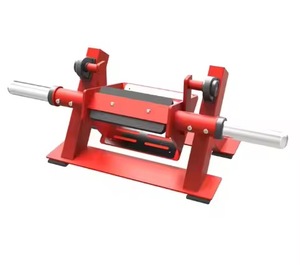
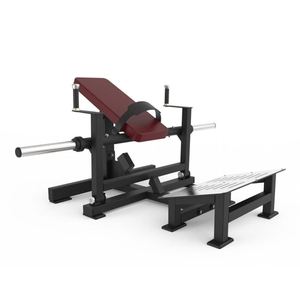
2. Horizontal Roman Chairs & Glute-Ham Developers (GHD)
For elite athletic performance facilities, high-school and university strength rooms, and professional sports centers, horizontal GHD machines represent the gold standard in posterior chain conditioning. Operating in a horizontal plane dramatically increases the lever arm, forcing eccentric control from the hamstrings while recruiting the glutes and erector spinae concentrically. Our factory models feature oversized split half-moon foam pads engineered with high-rebound 110kg/m³ density moulding, ensuring comfort under heavy loading without pad flattening over years of continuous use.
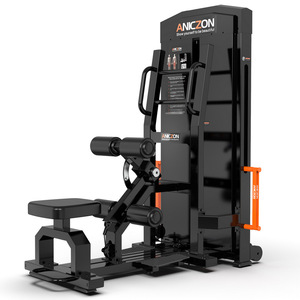
3. Selectorized Lumbar Extension Machines
For corporate wellness hubs, senior living facilities, and physical therapy clinics, selectorized plate-stack back extension machines offer isolated, controlled spinal movement. Utilizing eccentric cam geometry, our selectorized machines deliver a smooth resistance curve that matches human torque capability throughout the full range of motion (from 30 degrees of spinal flexion to 0 degrees of neutral alignment). Equipped with adjustable back pads, lap seatbelts, and counterbalanced movement arms, these units isolate the lumbar muscles while disabling compensation from the glutes and hamstrings.
Future Procurement & Industry Trends in Commercial Gym Equipment (2025–2030)
As global fitness markets mature, commercial equipment procurement is undergoing a paradigm shift driven by technological integration, space efficiency, ergonomic safety, and supply chain transparency. B2B buyers and brand distributors must align their product sourcing with these emerging trends to maintain competitive advantages:
Smart Sensor & VBT Integration
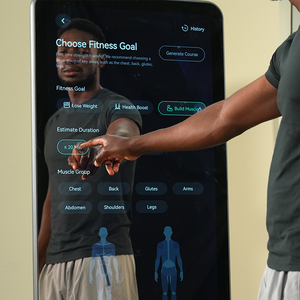
Next-generation back extension machines are incorporating digital sensors and Velocity-Based Training (VBT) tracking modules. Factories offering pre-drilled bracket mounting or integrated digital readouts allow gym members to monitor rep speed, power output, and spinal range of motion in real-time.
Bi-Function & Space-Saving Footprints
With real estate costs rising globally, multi-functional strength equipment is in high demand. Future back extension designs merge hyperextension capabilities with standing calf raises, hip thrust variations, or landmine row attachments within a single compact footprint.
Eco-Friendly & Sustainable Manufacturing
International buyers are auditing factory environmental compliance. Leading Chinese exporters are adopting solvent-free powder coatings, recyclable high-grade steel components, zero-VOC upholstery adhesive, and optimized flat-pack shipping designs to reduce carbon footprints.
Why Global Distributors & Gym Chains Partner With Our Factory
Navigating international supply chains requires a reliable OEM/ODM partner capable of delivering consistent build quality, competitive pricing, flexible ordering terms, and comprehensive post-sale support. Here is how our factory stands out as China's premier commercial back extension exporter:
1. Advanced Robotic Manufacturing & Structural Reliability
Our production floor integrates 5-axis laser cutting machines and double-arm robotic welders. This eliminates human error, guaranteeing perfectly aligned bolt holes, uniform frame tension, and clean seam welds across every production batch.
2. Rigorous Structural & Fatigue Testing
Every newly developed back extension frame undergoes 100,000 continuous dynamic load cycles under 300kg testing weights. Frame welds, pop-pins, bearings, and upholstery materials are stress-tested to exceed ISO 20957-1 commercial safety standards.
3. Flat-Pack Packaging & Freight Optimization
Shipping efficiency directly impacts land-cost margins for overseas importers. Our engineers design modular machine components that disassemble efficiently into heavy-duty 5-ply corrugated cartons with custom molded foam inserts, maximizing 20ft and 40ft HQ container loading space while eliminating transit damage.
4. Tailored OEM/ODM Branding Solutions
We empower fitness brand owners to build proprietary lines. From laser-etched stainless steel logo badges and custom frame colors (Matte Black, Gunmetal Grey, Crimson Red, Fine Texture Pearl) to custom leatherette color accents, we turn your brand vision into market-ready reality.
Frequently Asked Questions (FAQ) for Global B2B Buyers
Partner With China's Premier Back Extension Equipment Exporter
Upgrade your commercial fitness equipment line with engineered biomechanics, factory-direct pricing, and uncompromised structural quality. Contact our global sales team today to request catalog pricing, 3D CAD facility layouts, or custom OEM quotes.
Send an Inquiry