Featured Commercial Strength Systems
Factory-direct plate-loaded and selectorized solutions engineered for high-traffic commercial health clubs, sports facilities, and global distributors.
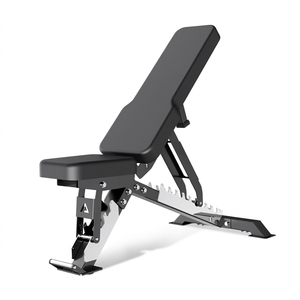
Foldable Commercial Metal Bench Press Bench Adjustable Incline Dumbbell Support Fitness Chair Seated Assistive Gym Equipment
Get a Quote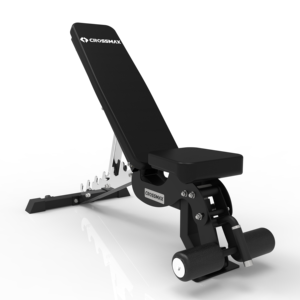
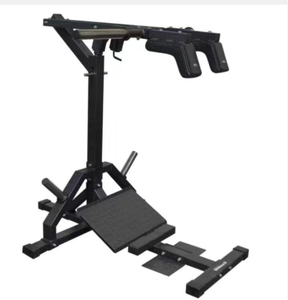
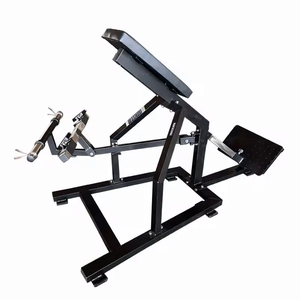
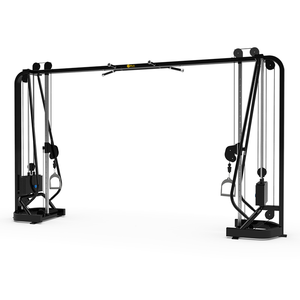
Commercial Gym Equipment Popular T Bar Rower Reloaded Incline Level Row Multi-Gym Fitness Machine Made Of Steel
Get a Quote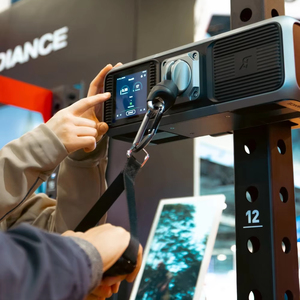
Innovative Portable Smart Cable Trainer Gym Digital Resistance Machine For Home Gym Fitness Distributor Wanted
Get a Quote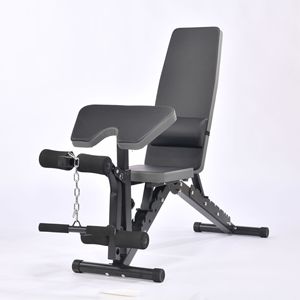
Factory-Direct Adjustable Foldable Dumbbell Bench Flat/Incline Home Gym Chair Fitness Equipment Sit-Up Board YLD-509 Jinhua
Get a Quote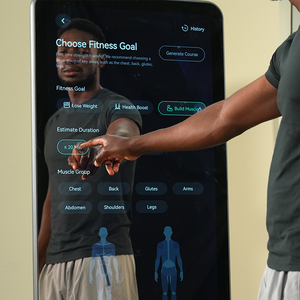
Biomechanical Engineering & Mechanical Kinematics of Commercial Hack Squat Machines
In modern commercial strength facility design, the Hack Squat machine occupies a pivotal role within the lower-body hypertrophic and power-development ecosystem. Designed to isolate the quadriceps femoris complex—specifically the vastus lateralis, vastus medialis obliquus (VMO), vastus intermedius, and rectus femoris—while minimizing axial spinal compression, the commercial hack squat machine relies heavily on precise kinetic vectoring. China’s premier strength equipment manufacturing sector has evolved from simple structural fabrication to advanced biomechanical engineering, employing parametric CAD design, finite element analysis (FEA), and real-time load-cell telemetry to create world-class strength apparatus.
1. 45-Degree Linear Guide Rails vs. Pendulum Leverage Systems
Global procurement teams must differentiate between the two core mechanical architectures prevalent in B2B supply chains: linear guide rail systems and leverage pendulum systems. Linear guide rail machines utilize solid induction-hardened steel shafts paired with commercial-grade linear ball bearings (such as LM30UU or custom heavy-duty housing units). This configuration provides a constant, unyielding 45-degree stroke, delivering uniform mechanical resistance throughout both concentric and eccentric phases.
Conversely, leverage pendulum hack squats (often integrated into hybrid V-Squat setups) swing along a fixed pivot axis driven by sealed pillow-block bearings. The strength curve of a pendulum machine naturally declines near the bottom position (eccentric trough), matching the physiological force output of human skeletal muscle where quad torque is weakest. Understanding these structural dynamics is essential for facility procurement directors optimizing equipment layouts for elite athletic facilities versus high-volume commercial health clubs.
2. Knee Joint Kinematics & Footplate Vectoring
Patellar tendon stress mitigation is governed by footplate dimensioning, surface friction coefficients, and angle adjustability. Leading Chinese OEMs fabricate extra-wide, multi-angle footplates using laser-cut heavy-gauge checker plate or textured rubber composite overlays. An oversized footplate enables athletes to vary foot placement: placing feet high targets gluteal and hamstring recruitment, while a lower, narrow stance emphasizes isolated quadriceps development.
Linear Ball Bearings
Induction-hardened chrome-plated steel shafts (min. 58-62 HRC hardness) ensuring whisper-quiet movement with ultra-low friction co-efficients under maximum weight stacks.
Spinal Decompression Padding
Ergonomically sculpted high-density polyurethane (PU) foam pads wrapped in industrial anti-tear vinyl, stabilizing the spine and preventing lateral pelvic tilt.
Quadruple Safety Catches
Multi-position, dual-sided mechanical lockout handles with counter-weighted engagement hooks, allowing lifters to safely terminate movements at deep flexion angles.
Structural Metallurgy, Steel Tubing & Frame Engineering
The structural integrity of a commercial hack squat machine determines its lifespan, safety compliance, and resistance to structural fatigue under high cycle loads. China's top fitness manufacturing centers in Shandong and Zhejiang provinces utilize automated laser cutting, robotic TIG/MIG welding, and strict metallurgical quality controls to produce frames capable of enduring commercial gym environments.
1. Q235B vs. Q355B Steel Tubing Specifications
Commercial gym equipment procurement specifications typically mandate heavy-gauge structural steel tubing. While budget home fitness equipment relies on 1.5mm to 2.0mm Q195 steel, authentic commercial-grade hack squat equipment requires high-tensile Q235B or Q355B structural steel with a minimum wall thickness of 3.0mm (11-gauge) to 4.0mm (8-gauge).
| Parameter / Material Standard | Light Commercial Grade | Full Heavy Commercial Grade (Tier 1 Factory) |
|---|---|---|
| Steel Grade Classification | Q195 / Q235 Steel | Q235B / Q355B High Tensile Carbon Steel |
| Main Tube Dimensions | 50 x 100 x 2.0 mm Oval / Rectangular | 60 x 120 x 3.0 mm or 80 x 80 x 3.0 mm Heavy Gauge |
| Welding Technology | Manual MIG / Semi-Automated Spot | 3D 6-Axis Robotic Seamless TIG/MIG Welding |
| Frame Surface Treatment | Single-pass Powder Coat | 12-Stage Zinc Phosphate Pre-treatment + Dual Powder Coat |
| Guide Rod Metallurgy | Standard Carbon Steel Rods | Hard-Chrome Plated Solid Steel (Hardness: HRC 58-62) |
| Weight Plate Horns | Stainless Steel Sleeve Overlays | Heavy-Duty Solid Hard-Chrome Sleeves with Rubber Bumpers |
2. Robotic Welding & Surface Treatment Protocols
Structural failure in heavy strength equipment almost exclusively occurs at stress concentration points near welded joints. China’s advanced wholesale suppliers utilize 6-axis robotic arm welding systems that maintain uniform bead geometry, eliminating internal void pockets, cold welds, and localized burn-through. Following frame assembly, the steel components undergo a rigorous surface preparation protocol:
- Abrasive Shot Blasting: Removes mill scale, rust, and surface contaminants to achieve an SA 2.5 surface roughness profile.
- Chemical Conversion Coating: Zirconium or zinc-phosphate immersion prevents sub-surface oxidation under humid gym conditions.
- Electrostatic Powder Coating: Dual-layer thermosetting epoxy-polyester powder application cured at 200°C (392°F), yielding an impact-resistant finish exceeding 80 units on the Gardner Gloss scale.
Global Sourcing, Factory Audits & Vendor Risk Mitigation
For international fitness brand owners, commercial distributors, and gym chain procurement managers, sourcing directly from Chinese wholesale manufacturers offers compelling cost efficiencies. However, navigating quality assurance, intellectual property protection, and shipping logistics requires a disciplined procurement methodology.
1. Essential Factory Audit & Quality Assurance Checklist
Prior to executing purchase contracts or issuing Letter of Credit (LC) payments, importers must evaluate factory credentials against international quality standards. Leading B2B suppliers maintain active certifications across multiple regulatory domains:
A rigorous factory audit should verify four critical manufacturing stages:
- Raw Material Verification: Spectrographic material testing of incoming steel tubing to confirm yield strength (≥355 MPa for Q355B) and carbon content.
- Precision Laser Cutting: Fiber laser cutting machines operating within ±0.1mm dimensional tolerance for plate brackets and cam profiles.
- Dynamic Load Testing: Static load testing at 200% rated capacity (e.g., 1,200 kg load sustained for 24 hours) and dynamic cycle testing (100,000 cycles under 400 kg load).
- Pre-Shipment Trial Assembly: 100% full assembly of frames to check guide rod alignment, latch smooth-engagement, and padding fitment prior to breakdown and packaging.
2. Freight Optimization & Container Packaging Strategies (CKD vs. SKD)
Given the spatial footprint of commercial hack squat machines (typically exceeding 2.2m x 1.6m x 1.4m assembled), shipping costs represent a significant percentage of total landed cost. Suppliers offer two primary packing configurations:
Completely Knocked Down (CKD): Frames are fully disassembled into individual structural beams, guide rods, and plates. Components are wrapped in protective EPE foam and packed into wooden crates or heavy-duty corrugated cartons. CKD maximizes container packing density (CBM minimization), reducing ocean freight cost per unit by up to 40%.
Semi-Knocked Down (SKD): Major welded sub-assemblies (carriage unit, base frame, footplate assembly) remain intact. While SKD increases shipping volume, it drastically reduces onsite installation time for commercial facility technicians, minimizing assembly errors during facility setup.
Future Industry Trends: Sourcing Strength Equipment (2025–2030)
The global fitness equipment landscape is experiencing rapid technology integration, supply chain realignment, and shifts in user biomechanical preferences. Importers and commercial brands sourcing from Chinese manufacturers must align their product roadmaps with upcoming market trends over the next decade.
1. Telemetry Integration & Digital Load Sensing
Next-generation hack squat machines are transitioning from purely mechanical apparatus to sensor-enabled fitness hardware. Advanced Chinese manufacturers are integrating digital load cells, linear optical encoders, and Bluetooth/ANT+ connectivity into guide carriages. These sensors track concentric/eccentric velocity (Velocity-Based Training - VBT), power output in Watts, total volume load, and range-of-motion metrics in real time. This telemetry syncs directly with commercial gym management software and member apps, transforming standard plate-loaded zones into data-rich training environments.
2. Smart Variable Resistance & Electromagnetic Brake Hybrids
While traditional iron weight plates remain a staple of heavy strength training, modern facility operators are demanding hybrid resistance systems. Innovations include integration of auxiliary electromagnetic resistance coils alongside traditional plate horns. This allows users to apply dynamic accommodation resistance (simulating band tension electronically) or accentuating the eccentric portion of the stroke with digital overload systems at the push of a touchscreen console button.
3. Eco-Friendly Coatings & Sustainable Manufacturing Clusters
Environmental regulations across major Chinese manufacturing hubs have accelerated the adoption of zero-VOC, heavy-metal-free powder coatings and closed-loop water treatment systems for chemical phosphate conversion lines. Furthermore, leading exporters are utilizing 100% recyclable aluminum trim components, eco-synthetic PU leather derived from recycled ocean plastics, and solar-powered manufacturing plants to satisfy the ESG (Environmental, Social, and Governance) compliance demands of European and North American institutional buyers.
OEM/ODM Manufacturing Capabilities & Enterprise Edge
As a premier OEM/ODM supplier of commercial strength machinery, our manufacturing matrix provides global buyers with an uncompromised competitive edge in structural quality, engineering precision, and supply chain reliability.
Full OEM Customization
Laser-cut custom logo badging, bespoke frame colorways (RAL palette matching), custom upholstery stitching, and tailored weight stack ratios to match your brand identity.
Strict QA Testing Protocols
Every structural frame undergoes 100% dimensional inspection, ultrasonic weld inspection, and static/dynamic weight tolerance verification prior to international export packaging.
Global Logistics Support
Seamless export handling including FOB, CIF, DDP, and DDU shipping terms. Specialized containerized packing minimizes CBM footprint and prevents transit damage.
Frequently Asked Questions (B2B Sourcing FAQ)
Essential technical, procurement, and commercial answers for global fitness machinery buyers and distributors.
What is the minimum steel wall thickness required for a commercial-grade hack squat machine?
For full commercial health clubs and collegiate strength centers, the main load-bearing frame must utilize high-tensile carbon steel tubing (Q235B or Q355B) with a minimum wall thickness of 3.0 mm (11-gauge). Critical structural joints and guide rail support plates should feature 4.0 mm to 6.0 mm reinforcement plates to prevent frame flex under loads exceeding 500 kg.
How do linear bearing hack squat machines compare to roller wheel systems?
Linear ball bearing systems track along induction-hardened, solid chrome shafts (HRC 58-62 hardness). They offer smooth movement with zero lateral play, handling extreme weight loads with minimal wear. Heavy-duty polyurethane roller systems operate on rectangular tubing; while quieter and lower cost to maintain, they require frequent adjustments to prevent carriage wobble over time under commercial usage.
What are the standard Minimum Order Quantity (MOQ) and lead time parameters for OEM orders?
Standard OEM custom manufacturing MOQs typically start at 5 to 10 units for heavy strength pieces, or a combined 20ft/40ft container order mixed across product categories. Standard production lead times range between 30 to 45 calendar days following engineering drawing sign-off and deposit receipt.
What certifications are required for importing commercial strength equipment into Europe and North America?
European Union imports require compliance with EN ISO 20957-1 (General Safety Requirements) and EN 957-2 (Strength Training Equipment), alongside CE marking. North American commercial buyers prioritize factories with ISO9001:2015 certified quality systems, ASTM F1250 compliance, and verified factory audit documentation.
How do Chinese manufacturers package hack squat machines to prevent shipping damage?
Export packaging employs a multi-tier defense: individual frame parts are encased in thick EPE foam wrap, critical painted surfaces receive protective film, padded upholstery is sealed in moisture-proof heavy plastic bags, and small hardware is packed in categorized labeled cartons. Large sub-assemblies are secured within heavy-duty fumigated wooden crates or steel-reinforced pallets designed for forklift handling.
Can footplate angles and backrest angles be customized for regional user demographics?
Yes. Our R&D engineering team provides full CAD parametric adjustments. We can customize footplate dimensions, initial lock-out height settings, backrest tilt angles, and shoulder pad contour spacing to accommodate specific user biomechanics or facility spatial constraints.
What warranty coverage is provided for commercial hack squat machinery?
Standard commercial warranties include a Lifetime structural frame guarantee (or 10 years commercial), 2 to 3 years on linear shafts, linear bearings, and mechanical pivot assemblies, and 1 year on high-wear components such as upholstery padding, rubber stoppers, and handle grips. Replacement parts are maintained in factory stock for rapid international shipping.
Accelerate Your Commercial Strength Supply Chain
Partner directly with China's leading wholesale fitness machinery manufacturer. Request technical specifications, factory audit reports, and factory-direct volume pricing today.
Get a Quote