Commercial Seated Row Machine Lineup
Heavy-Duty Plate-Loaded & Selectorized Row Stations Engineered for Professional Athletics, Commercial Health Clubs, and Global OEM Partnerships.
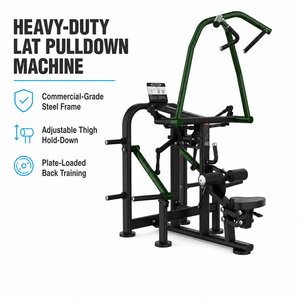
A704 Model Seated Low Row Machine Heavy Duty Commercial Gym Strength Equipment
Send an Inquiry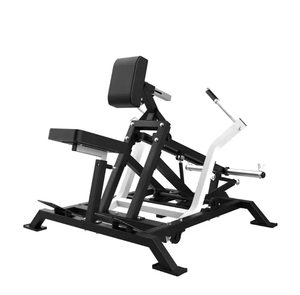
Commercial Gym Steel Rowing Machine Plate Loaded Back Training Seated Row Equipment For Arms Bodybuilding Chest Strength
Send an Inquiry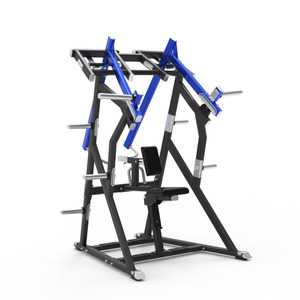
New Style Workout Gym Machines Commercial Strength Training Fitness Equipment Seated Rowing Machine for Sale
Send an Inquiry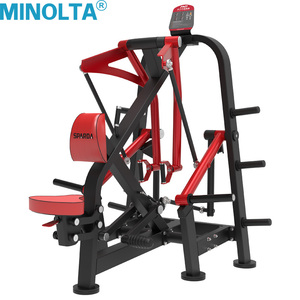
Gym Equipment Manufacturer Sparda Machines Wholesale Fitness Equipment Super Low Row For Strength Training
Send an Inquiry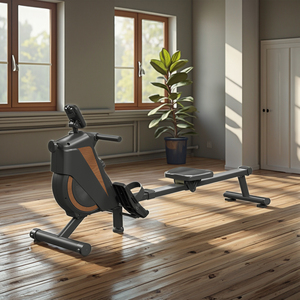
Professional-Designed Magnetic Resistance Indoor Seated Rowing Machine with Digital Monitor Guaranteed Quality for Home Gym Use
Send an Inquiry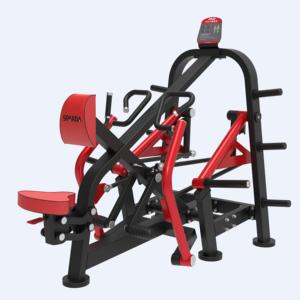
Sparda Strength Training Gym Fitness Equipment Bodybuilding Machine Seated Rowing Trainer For Exercise
Send an Inquiry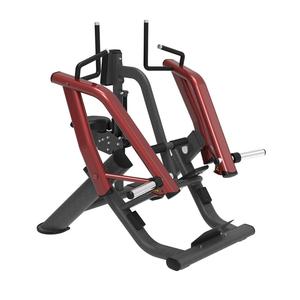
Professional Commercial Fitness Gym Equipment Adjustable Safety Durable Plate Loaded Strength Training Back Exercise Seated Row
Send an Inquiry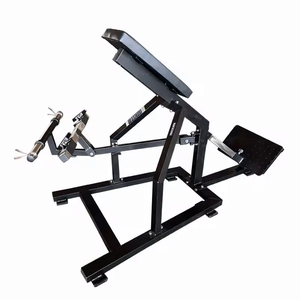
Commercial Gym Equipment Popular T Bar Rower Reloaded Incline Level Row Multi-Gym Fitness Machine Made Of Steel
Send an InquiryIndustrial Manufacturing & Enterprise Advantages
Why leading fitness brands, commercial facility procurement directors, and international fitness equipment distributors partner with our OEM factory network.
Advanced Biomechanical Engineering
Engineered with converging and diverging movement paths, custom variable resistance cams, and universal bearing assemblies. Our seated row designs mimic physiological muscle contraction to isolate the latissimus dorsi, rhomboids, and rear deltoids while minimizing spinal torque.
Custom OEM/ODM Manufacturing
Full spectrum customization including laser-cut brand logos, bespoke electrostatic powder coating (textured, matte, high-gloss), custom high-density polyurethane upholstery colors, frame structural wall thickness modifications, and tailored weight stack ratios.
Certified Structural Metallurgy
Utilizing premium Q235 and Q355 structural steel tubing (ranging from 3mm to 4mm wall thickness). Precision robotic MIG welding guarantees stress-resistant structural welds built to withstand heavy multi-shift commercial utilization without structural fatigue.
Technical Whitepaper: Engineering Next-Generation Commercial Seated Row Machines
In the modern commercial strength training ecosystem, back extension and seated pulling equipment represent critical capital investments for health clubs, sports performance labs, collegiate athletic centers, and luxury hotel fitness centers. As a premier Custom OEM Seated Row Machine Manufacturer, our engineering paradigm centers on bridging biomechanical science with industrial-grade mechanical durability. This technical document provides procurement executives, product managers, and gym owners with deep structural insights into manufacturing standards, movement mechanics, and procurement strategies.
1. Structural Metallurgical Standards & Chassis Construction
The foundational integrity of any commercial seated row machine hinges on chassis frame metallurgy and tube processing technologies. Our manufacturing plants standardly implement heavy-duty 50mm x 100mm and 60mm x 120mm oval and structural rectangular steel tubing with wall thicknesses ranging from 2.5mm to 3.2mm (11-gauge to 9-gauge steel). This structural baseline ensures zero frame flexing even when loaded with maximum weight plate capacities exceeding 500 kg (1,100 lbs) or full 150 kg (330 lbs) selectorized stack drops.
Precision manufacturing processes incorporate 5-axis CNC fiber laser cutting systems, ensuring tube joint fitments maintain tolerances within ±0.1mm. Robotic multi-pass MIG welding creates clean, high-penetration structural seams that are stress-relieved before surface treatment. Frame longevity is guaranteed through a multi-stage surface preparation sequence: shot-blasting to remove mill scale, zinc-phosphate anti-corrosion dipping, and dual-layer electrostatic powder coating baked at 200°C (392°F). This yields an impact-resistant finish impervious to aggressive sweat corrosion and cleaning chemicals.
| Engineering Parameter | Commercial Grade (OEM Standard) | Pro-Performance Grade (Custom OEM) | Light Commercial / Institutional |
|---|---|---|---|
| Steel Frame Specification | Q235 Structural Steel (3.0mm / 11-Gauge) | Q355 High-Tensile Steel (3.2-4.0mm) | Q235 Steel (2.0-2.5mm / 12-14 Gauge) |
| Movement Axis Mechanics | Converging & Diverging Unilateral Links | Multi-Plane Floating Axis with Sealed Bearings | Fixed Single-Plane Pivot Cable Axis |
| Pulleys & Transmission Cables | Aluminum Alloy Pulleys / 7x19 Steel Cable | CNC Machined Aircraft Aluminum / 6.3mm Cable | Reinforced Nylon Pulleys / 5.0mm Cable |
| Upholstery Core Density | 120 kg/m³ Rebonded PU Foam + PVC Leather | 160 kg/m³ High-Resilience Molded PU Foam | 80-100 kg/m³ Standard Cut Foam |
| Ergonomic Adjustment Systems | Gas-Assist Spring Pin Adjustment Mechanisms | Pneumatic Auto-Return Linear Bearings | Manual Pull-Pin Friction Assemblies |
2. Biomechanical Optimization: Scapular Retraction & Muscle Isolation
Traditional fixed-path row machines frequently force users into unnatural rotational patterns at the glenohumeral joint, resulting in unwanted biceps compensation, upper trapezius dominance, and shoulder anterior impingement. Our OEM design protocols utilize independent unilateral arms featuring converging and diverging kinematic arcs.
By aligning the pivot points directly with the scapular plane, our seated row machines maintain a natural vector of pull throughout the entire range of motion (ROM). The starting position features an extended grip width that converges as the handles are pulled toward the sternum, matching the anatomical contraction curve of the latissimus dorsi, middle trapezius, and rhomboids. Furthermore, multi-position rotating handles allow lifters to seamlessly transition between prone, neutral, and supinated grips without interrupting joint alignment.
3. Selectorized vs. Plate-Loaded Seated Row Systems
When customizing product lines for private label brands or commercial gym projects, choosing between selectorized cable-driven machines and plate-loaded leverage systems requires evaluating target demographic usage patterns:
- Selectorized Seated Row Stations: Ideal for high-density public gyms, hotels, and rehabilitation facilities. Key OEM engineering highlights include cold-rolled steel weight stacks with magnetic selector pins, high-tensile 7x19 aviation-grade steel cables rated for 2,500 lbs breaking strength, and deep-groove aluminum pulleys with double-sealed ABEC-5 bearings for ultra-silent operation.
- Plate-Loaded ISO-Lateral Rowers: Preferred by bodybuilders, pro sports teams, and strength performance centers. These utilize direct lever-arm linkage mechanics, eliminating cable friction to deliver raw, direct weight feedback. OEM customization often focuses on horn plate lengths, counterbalanced arm configurations, and heavy-duty rubber stop bumpers.
Future Procurement & Development Trends (2025–2030)
Key technological innovations and market demand shifts shaping commercial fitness equipment manufacturing worldwide.
IoT Integration & Sensor Telemetry
Next-generation OEM seated rows are incorporating integrated load cells, encoder sensors, and Bluetooth/RFID modules. These allow real-time velocity-based training (VBT) metrics, rep tracking, and predictive maintenance alerts for facility managers via cloud dashboards.
Eco-Conscious Materials & Zero-VOC Coatings
Global environmental regulations are driving factories toward closed-loop water recycled powder coat lines, solvent-free synthetic polyurethane leathers, and 100% recyclable aluminum component trims, meeting LEED and ISO 14001 sustainability targets.
Modular Customization Frameworks
Procurement buyers increasingly demand modular machine architectures where chest pads, footplates, and handle assemblies can be swapped or upgraded in the field, reducing long-term total cost of ownership (TCO) and shipping container space requirements.
Frequently Asked Questions (OEM & B2B Purchasing FAQ)
Comprehensive technical and commercial answers for gym equipment importers, wholesalers, and facility architects.
Ready to Build Your Custom Commercial Equipment Line?
Partner with a leading OEM seated row machine manufacturer. Contact our engineering and export team today to receive a complete product catalog, 3D CAD layouts, and wholesale container pricing.
Send an Inquiry