Commercial Strength Equipment Catalog
Explore our premium selectorized, plate-loaded, and body building equipment engineered for heavy-duty commercial facilities.
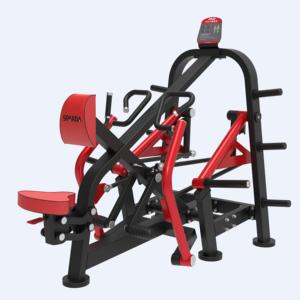
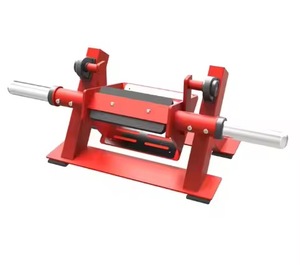
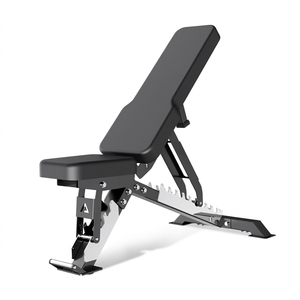
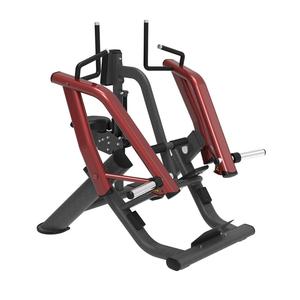
Comprehensive Sourcing & Technical Manual: OEM/ODM Seated Calf Machines
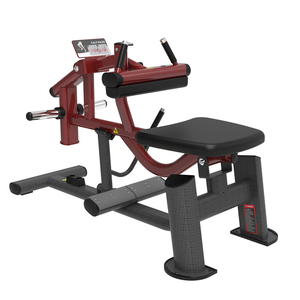
The global commercial strength equipment sector has entered a new era driven by biomechanical precision, customized ergonomics, and heavy-duty structural integrity. Among lower-body isolated strength units, the Seated Calf Machine holds a foundational position in commercial health clubs, sports performance centers, and rehabilitation facilities. Unlike standing calf units that exert significant axial loading on the spinal column, the seated calf raise specifically targets the soleus muscle—a deeply seated, slow-twitch predominant muscle responsible for ankle plantarflexion stabilization and explosive athletic posture.
For B2B gym equipment procurement teams, brand owners, and fitness equipment distributors, partnering with an established OEM/ODM Seated Calf Machine manufacturer requires far more than comparing baseline price quotes. It demands a rigorous evaluation of structural steel grade, biomechanical linkage geometry, leverage ratio stability, frame finishing, and long-term maintenance cycles. This technical whitepaper delves into the engineering principles, manufacturing standards, and future procurement trends shaping the OEM/ODM strength equipment ecosystem.
Technical Information Gain Insight: Lower-leg biomechanics dictate that when the knee joint is flexed at 90 degrees, the gastrocnemius is slackened due to active insufficiency. Consequently, seated calf machines isolate up to 85% of the torque force directly onto the soleus muscle. Precision manufacturing must maintain a precise 1:1 to 1:1.4 leverage ratio across the full arc of movement to prevent torque drop-off during peak contraction.
1. Biomechanical Excellence & Structural Architecture
Superior commercial performance begins with scientific biomechanical alignment. Standard commercial seated calf machines must account for diverse athlete anthropometry while maintaining an uncompromised resistance curve. When designing OEM custom solutions, our engineering team optimizes three critical mechanical components:
- Rotational Cam & Pivot Dynamics: Industrial-grade sealed ball bearings (such as double-sealed chromoly bearing units) are integrated at primary pivot axes. This eliminates rotational slop and friction, providing seamless transition from full stretch (dorsiflexion) to peak contraction (plantarflexion).
- Thigh Pad & Footplate Geometry: The angled footplate must feature non-slip diamond-patterned stainless steel or vulcanized textured rubber. An anatomical angle of 15° to 20° ensures optimal heel drop without stressing the Achilles tendon. Adjustable thigh pads utilizing quick-release pop-pin systems allow users of varying femur lengths to lock securely into position.
- Heavy-Gauge Frame Fabrication: Commercial-grade frames are crafted using heavy-duty 11-gauge (3.0mm nominal thickness) 50mm x 100mm structural steel tubing. Automated robotic welding ensures uniform bead penetration, resisting dynamic torque forces even under loads exceeding 400 kg (880 lbs).
2. Advanced Surface Treatment & Customization Capabilities
Commercial durability in high-humidity facility environments depends on stringent surface preparation. Our OEM/ODM production protocols implement a multi-stage finishing process:
First, structural steel undergoes automated shot-blasting to strip microscopic impurities and create an optimal anchor profile. Second, an electro-deposited zinc-rich primer coat is applied to prevent rust migration. Finally, an electrostatic thermosetting powder coat is applied and oven-cured at 200°C (392°F). This yields a resilient scratch-resistant finish available in custom brand colorways, including matte black, high-gloss silver, and custom satin textures.
Upholstery is another key marker of quality. High-density molded foam cores wrapped in industrial-grade, antimicrobial, sweat-resistant vinyl stitching ensure that thigh pads resist deformation across millions of load cycles.
3. Global Procurement Trends in Commercial Gym Equipment
As commercial facility operators look to differentiate their offerings, OEM and ODM manufacturing strategies have evolved to meet emerging market demands:
- Modular Space Optimization: Compact footprints with dual-function versatility or space-saving plate storage horns are becoming mandatory for urban health clubs and boutique private studios.
- Custom Branding & OEM Identity: Distributors increasingly demand fully customized laser-cut brand plates, embossed logo upholstery, and proprietary frame shrouds to strengthen brand equity within regional markets.
- Digital Integration Preparedness: Modern plate-loaded and selectorized machines are now designed with integrated sensor mount points, allowing gym operators to attach digital repetition tracking and velocity-based training sensors.
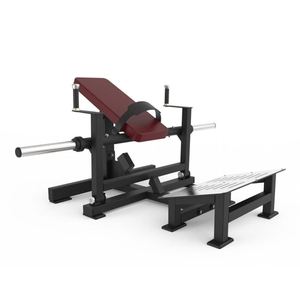
- Supply Chain Consolidation: Major buyers prefer full-floor sourcing—combining seated calf raise units, hip thrust machines, rows, benches, and racks from a single trusted manufacturer to ensure unified frame finish aesthetics and simplified logistics management.
Why Partner With Our Manufacturing Platform
Vertical Integration, Precision Engineering, and Comprehensive Global Support
Vertical Manufacturing
From raw structural steel laser cutting and robotic welding to powder coating and upholstery assembly, all processes are controlled under one roof for uncompromised quality assurance.
Global Logistics & Compliance
Proven track record exporting commercial equipment to over 65 countries worldwide, backed by extensive international logistics coordination and customs documentation support.
Biomechanical R&D Expertise
Engineered by strength athletes and certified biomechanical professionals to ensure natural joint articulation, smooth load curves, and maximum isolation target muscle activation.
Frequently Asked Procurement Questions
Key information for commercial buyers, importers, and facility project managers.
What customization options are available under OEM/ODM contracts?
We offer end-to-end customization including laser-cut logo placement, custom frame powder coat colors, upholstery vinyl shade matching, personalized rubber footplate badge inserts, and modified weight stack ratios or plate horn configurations.
What steel specifications and frame thickness are used for commercial seated calf machines?
Our commercial-series strength equipment is constructed using heavy-duty 11-gauge (3.0mm) to 8-gauge structural steel tubing. Critical stress points and pivot assemblies are reinforced with solid steel gussets to prevent flex under peak loads.
How are replacement wear parts and international after-sales service handled?
We maintain a dedicated spare parts inventory including linear bearings, pop-pins, foam padding, rubber foot stoppers, and high-tensile aircraft cable assemblies. Technical documentation, exploded schematic drawings, and replacement kits can be shipped rapidly worldwide.
What is the typical lead time for full container production orders?
Standard production cycles for full container loads (20GP / 40HQ) range between 30 to 45 days upon technical specification sign-off and deposit receipt. OEM customized tooling or prototype development may require an additional 15 to 20 days.
Build Your Premium Commercial Strength Floor
Partner with an industry-leading OEM/ODM strength machine manufacturer. Contact our engineering and project consultation team today for custom quotes and factory specs.
Contact Us