Featured Commercial Strength Machines
Precision-engineered strength apparatuses verified for commercial durability, high foot-traffic fitness clubs, and professional sports performance centers.
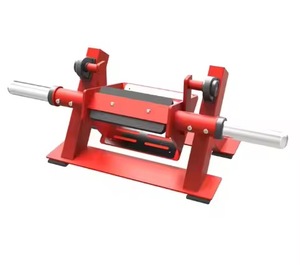
High Quality Cheap Price Direct Supplier Commercial Fitness Body Building Gym Equipment Calf Raise Machine
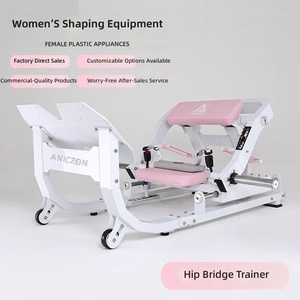
Women's Commercial Glute Bridge Hip Thrust Leg Abduction Machine-Foldable No
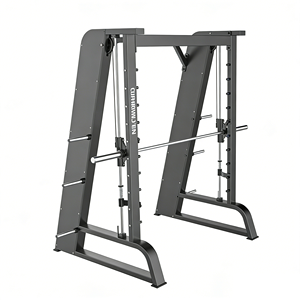
Professional Commercial Grade MultiFunction Smith Machine Comprehensive Strength Training Equipment
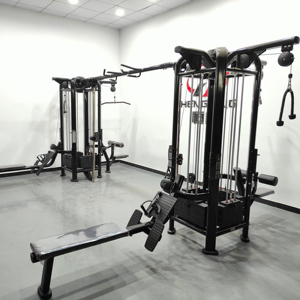
New Design China Supplier Top Quality Commercial Use 8 Station Multi Gym Equipment
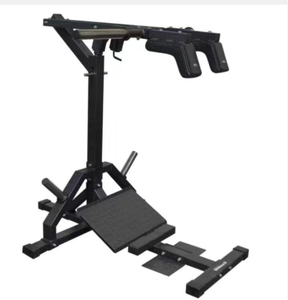
Strength Training Gym Equipment Plate Loaded Standing Calf Raises Machine
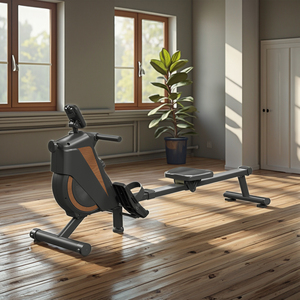
Professional-Designed Magnetic Resistance Indoor Seated Rowing Machine with Digital Monitor
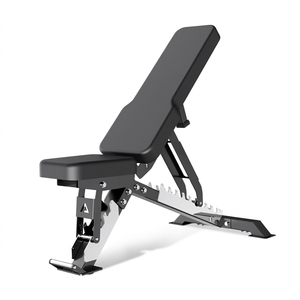
Foldable Commercial Metal Bench Press Bench Adjustable Incline Dumbbell Support Fitness Chair
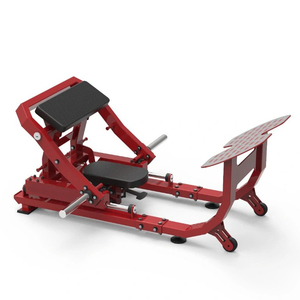
Commercial Steel Plate Loaded Glute Drive Bridge Hip Thrust Exercise Machine Workout Strength
Executive Summary: Commercial Shoulder Press Procurement Benchmark
Selecting the optimal commercial shoulder press machine for global fitness centers, university athletic complexes, and military installations requires a deep technical understanding of biomechanics, kinetic variable leverage, frame metallurgy, and total cost of ownership (TCO). The overhead pressing movement is inherently complex; it requires seamless interaction between the glenohumeral joint, scapulothoracic articulation, and surrounding stabilizing musculature. Poorly engineered equipment with rigid vertical strength curves or mismatched pivot points increases shoulder impingement risks and leads to premature equipment wear.
This 2026 Procurement Guide evaluates the top 10 global shoulder press equipment manufacturers. It presents a comprehensive evaluation matrix covering biomechanical resistance paths, frame construction metrics, warranty structures, and global distributor networks to guide commercial gym owners, facility procurement managers, and fitness equipment importers toward informed purchasing decisions.
Key Takeaway for Commercial Buyers: When evaluating commercial shoulder press machinery, prioritize converging motion paths (which replicate natural human movement patterns), heavy-gauge cold-rolled steel (minimum 11-gauge / 3.0mm structural wall thickness), industrial-grade sealed bearings, and dual-axis independent arm movement to maximize user safety and equipment longevity.
The Engineering Mechanics of High-Performance Overhead Pressing
Modern commercial shoulder press equipment has evolved far beyond traditional fixed-vertical linear pin-selected towers. Leading strength engineers now design machines around the natural arc of shoulder elevation—specifically pressing within the scapular plane (approximately 30 to 45 degrees anterior to the frontal plane). This anatomical alignment optimizes mechanical advantage for the anterior deltoid and clavicular head of the pectoralis major while significantly reducing stress on the rotator cuff tendons.
1. Plate-Loaded Converging Leverage vs. Selectorized Stack Machines
Commercial procurement teams must choose between two distinct structural categories: Plate-Loaded Lever Machines and Pin-Selected (Selectorized) Cable Towers. Plate-loaded designs utilize pivot axes with heavy-duty pillow block bearings, delivering an ascending resistance curve that matches human torque production—heavier at the lockout phase where leverage improves. Selectorized systems incorporate custom-CAM pulleys and Kevlar-reinforced steel cables to provide smooth, constant tension throughout the range of motion, making them ideal for high-traffic facilities catering to diverse user experience levels.
2. Iso-Lateral & Unilateral Kinematics
Top-tier manufacturers incorporate independent iso-lateral press arms. This prevents dominant-side compensation, allows unilateral training for athletic rehabilitation, and offers dual neutral and pronated grip handles to accommodate varying shoulder mobility restrictions.
Global Top 10 Manufacturers Comparison Matrix
The following technical analysis compares the world’s leading manufacturers across structural specifications, biomechanical features, and target facility applications:
| Manufacturer | Origin | Structural Steel Gauge | Biomechanical Motion | Warranty Coverage | Target Facility Tier |
|---|---|---|---|---|---|
| Atlantis Strength | Canada | 11-Gauge (3.0mm) & Heavy Tubing | Diverging/Converging Scapular Arc | 10-Yr Frame / 5-Yr Components | Pro Sports, Commercial Gyms, Hotels |
| Hammer Strength | USA | 11-Gauge Structural Steel | Iso-Lateral Converging Arc | 10-Yr Structural Frame | Athletic Performance & Commercial |
| Technogym | Italy | High-Tensile Elliptical Steel | Pure Strength Guided Arc | 7-Yr Structural Frame | Luxury Hospitality & High-End Clubs |
| Eleiko | Sweden | Heavy Duty Swedish Steel | Precision Barbell & Rack Integration | 10-Yr Structural Frame | Olympic & Powerlifting Centers |
| Panatta | Italy | 4mm Thick Special Heavy Steel | Custom Dynamic Lever Converging | 10-Yr Frame | Bodybuilding & Commercial Gyms |
| Gym80 | Germany | Laser-Cut High-Grade Steel | Circular Kinetic Convergence | 10-Yr Frame | European Commercial & Medical Gyms |
| Prime Fitness | USA | 11-Gauge Industrial Steel | Smart-Cam Variable Resistance | 10-Yr Frame | Bio-Hacking & Performance Studios |
| Matrix Fitness | Taiwan / USA | Robotic-Welded Commercial Tubing | Versa / Ultra Series Ergonomic Arc | 10-Yr Frame | Commercial Clubs & Corporate Wellness |
| Cybex (Life Fitness) | USA | Heavy-Duty Steel Construction | Eagle NX Variable Axis | 10-Yr Frame | Clinical, Corporate & Commercial |
| Rogue Fitness | USA | 11-Gauge 3x3 Frame Tubing | Monster Rack Mounted Leverage | Lifetime Structural Frame | CrossFit, Tactical & Garage Gyms |
In-Depth Manufacturer Profile Analysis
1. Atlantis Strength (Canada) – The Biomechanical Gold Standard
Engineered and vertically manufactured in Laval, Quebec, Atlantis Strength represents the pinnacle of Canadian industrial craftsmanship. With over four decades of dedicated focus on commercial strength equipment, Atlantis manufactures over 250 specialized products designed for pro sports teams, commercial health clubs, and institutional facilities. Their shoulder press machinery features natural converging movement paths, custom seat adjustments, and industrial-grade powder coating that resists heavy impact and corrosion. Buyers gain direct factory customization, including bespoke frame color finishes, branded upholstery, and tailored weight stack capacities.
2. Hammer Strength (USA) – The Powerhouse of Iso-Lateral Training
As the pioneer of ground-base and iso-lateral plate-loaded equipment, Hammer Strength remains a staple in athletic training facilities worldwide. Their shoulder press units feature converging arcs that mirror human pressing mechanics, built with robust 11-gauge steel frames capable of handling extreme daily volume.
3. Technogym (Italy) – Sleek European Ergonomics & Digital Integration
Technogym’s Pure Strength overhead pressing line blends Italian industrial design with scientific biomechanics. Designed for luxury commercial clubs and high-end hotels, Technogym equipment features integrated telemetry sensors, tactile visual adjustments, and smooth guided movement curves.
4. Panatta (Italy) – Extreme Heavy-Duty Bodybuilding Apparatus
Panatta stands out for its high-grade steel fabrication (up to 4mm structural wall thickness) and heavy-duty leverage arms. Their shoulder press machines offer multi-angle seat positioning and specialized handgrip configurations to maximize target muscular recruitment while minimizing joint stress.
5. Prime Fitness (USA) – Variable Resistance Cam Technology
Prime Fitness has transformed commercial strength training with its Smart-Cam technology. By allowing trainers and facility members to shift the peak load point (beginning, middle, or end of the movement range), Prime shoulder press machines offer unparalleled tactical loading options for muscular hypertrophy and injury rehabilitation.
Enterprise Purchasing Considerations: Key Technical Features
To avoid frequent component failures, frame distortion, and user dissatisfaction, procurement teams must carefully evaluate the following structural specifications during supplier audits:
Steel Tube Specification
Insist on minimum 11-gauge (3.0mm) structural steel tubing with precision robotic MIG welding to prevent frame flex under maximum weight stack loading.
Pivot Bearings & Bushings
High-traffic commercial machines should feature industrial-grade sealed pillow block bearings or self-lubricating bronze bushings for frictionless rotation.
Vinyl & Foam Density
Specify high-density molded poly-foam cushions wrapped in commercial-grade, moisture-resistant Naugahyde or double-stitched antimicrobial vinyl upholstery.
Future Trends in Commercial Overhead Pressing (2026–2030)
As commercial fitness centers shift toward data-driven strength training and enhanced user engagement, shoulder press equipment manufacturers are integrating several key technological advancements:
1. Integrated Digital Load Sensors & Velocity Tracking
Next-generation selectorized shoulder press stacks are increasingly equipped with Bluetooth-enabled linear transducers. These sensors measure real-time concentric velocity, peak force generation, and eccentric speed, syncing performance data directly with member mobile applications and athletic monitoring platforms.
2. Dynamic Kinetic Converging Kinematics
Static pivot axes are giving way to multi-planar floating joint linkages. Future shoulder press machines will feature dynamic handle paths that auto-adjust to each user's unique shoulder width, humerus length, and scapular rotation angle, virtually eliminating joint strain across diverse populations.
3. Eco-Friendly Manufacturing & Modular Frame Architecture
Leading North American and European manufacturers are adopting sustainable production standards, incorporating recycled structural steel, low-VOC electrostatic powder coats, and modular component frames. Modular designs lower container freight volumes, reduce carbon footprints during transit, and streamline on-site assembly.
Commercial Procurement FAQ
Essential guidance for fitness equipment importers, distributors, and gym owners evaluating supplier proposals.
What structural specifications define a true commercial-grade shoulder press machine?
A true commercial-grade machine must feature structural tubing with a minimum wall thickness of 11-gauge (3.0mm), laser-cut steel cams, sealed industrial bearings at all pivot points, and a minimum weight stack capacity of 200 lbs (90 kg) to 300 lbs (135 kg). Additionally, commercial units should be finished with a multi-stage electrostatic powder coating to resist sweat corrosion and physical wear.
Why is a converging motion path superior to a linear overhead press?
A converging movement path closely mimics the natural movement of the human arm during overhead pressing. As arms press upward, hands naturally converge toward the midline. Fixed vertical linear paths force the shoulders into unnaturally rigid movement planes, increasing joint shear stress and impingement risks at the acromioclavicular joint.
What is the typical production lead time for bulk commercial equipment orders?
For custom commercial strength orders requiring specific frame paint and upholstery colors, standard manufacturing lead times range from 4 to 8 weeks. Oversea shipping adds an additional 2 to 5 weeks depending on destination ports and logistics routing.
Should commercial buyers choose plate-loaded or selectorized shoulder press units?
Most premier commercial facilities stock both equipment types. Selectorized machines are essential for general fitness members and high-traffic spaces due to their quick pin adjustment and enclosed safety stacks. Plate-loaded units appeal to bodybuilders, performance athletes, and strength enthusiasts seeking higher maximum loading capacity and progressive overload leverage.
How can facility managers verify warranty authenticity and spare parts availability?
Work directly with established factory-authorized distributors or vertically integrated manufacturers. Ensure the commercial contract explicitly details frame warranty terms (typically 7–10 years), mechanical component coverage (2–5 years), wear items such as cables and upholstery (1 year), and a guaranteed availability period for replacement parts (minimum 10 years post-production).
What spatial clearance is required for a commercial shoulder press installation?
A standard selectorized or plate-loaded shoulder press footprint averages 60 inches (150 cm) in length by 55 inches (140 cm) in width. Facilities should allow a minimum 36-inch (90 cm) safety clearance perimeter around the unit to ensure easy weight plate loading, user access, and routine maintenance inspection.
Optimize Your Gym Floor with Commercial Strength Equipment
Connect with our commercial project engineering team to receive customized floorplan CAD layouts, direct factory price quotes, and bulk shipping estimates tailored to your facility.