Featured Commercial Strength & Weight Equipment
Precision-Engineered Machinery and Free Weight Outfitting for Doha Sourcing Projects
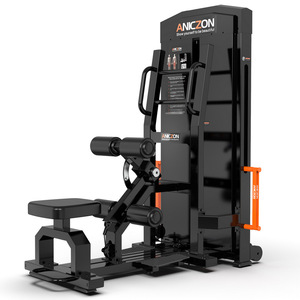
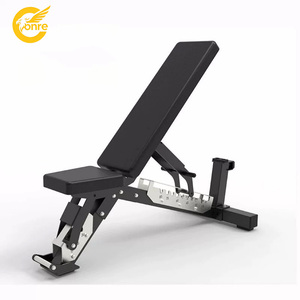
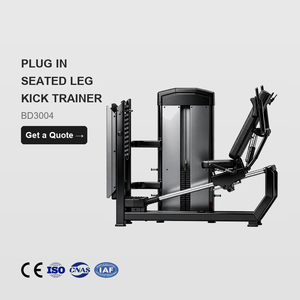
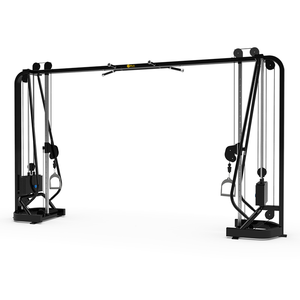
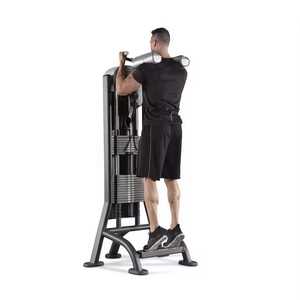
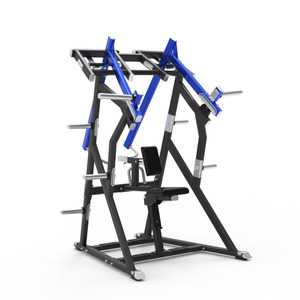
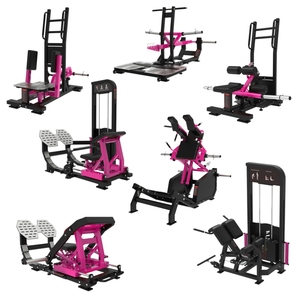
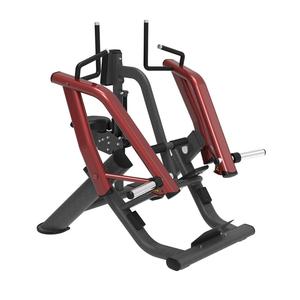
Executive Summary: Sourcing Bumper Plates Sets in the Modern Qatari Market
The state of Qatar, driven by the ambitious objectives outlined in Qatar National Vision 2030 (QNV 2030), has emerged as one of the Middle East's most dynamic hubs for health, wellness, and sports excellence. Sourcing commercial-grade free weights—specifically high-durability bumper plates sets—for facilities across Doha, Lusail, and Al Rayyan requires an intricate understanding of international metallurgical standards, polymer chemistry resilience, and local environmental factors. As institutional procurement officers, fitness center operators, and defense sector buyers navigate supplier ecosystems, selecting direct-from-factory manufacturing partners offers a massive competitive edge in cost efficiency, custom branding, and structural longevity.
Bumper plates represent the core operational asset of Olympic weightlifting facilities, CrossFit boxes, functional fitness hubs, commercial wellness clubs, and sports science institutes such as those in the Aspire Zone. Unlike standard iron weight plates, high-grade bumper plates utilize high-density vulcanized virgin rubber or Cast Polyurethane (CPU) wrapped around hard-chromed stainless steel inner hubs. This whitepaper analyzes the key considerations for importing and deploying bumper plate sets in the Doha market, outlining material specifications, manufacturing standards, local climate adaptations, and logistics optimization through Hamad Port.
Technical Insight: Equipment deployed in Qatar must withstand distinct environmental stress, including high ambient operating temperatures in semi-conditioned spaces, humidity variations, and heavy, repetitive high-impact drops. Polymer durometer ratings (Shore A hardness) between 88 and 94 are crucial for low-bounce stability and sound damping in multi-story Doha commercial real estate.
Anatomy of Commercial Bumper Plates: Material Science & Engineering
To deliver true Information Gain for procurement professionals in Doha, we must dissect the mechanical composition of commercial bumper plates. Bumper plates are engineered to absorb kinetic energy upon impact, transferring stress away from the barbell sleeve, the platform, and the concrete sub-floor. In high-traffic commercial facilities, plate failure typically occurs at the junction where the central hub meets the outer rubber matrix. Superior manufacturing remedies this structural vulnerability through advanced chemical vulcanization and anchored inner sleeve locking systems.
1. Virgin Rubber vs. Recycled Crumb vs. CPU (Urethane)
Understanding the material grade is fundamental to projecting total cost of ownership (TCO) over a 5-to-10-year facility lifespan:
| Material Type | Durometer (Shore A) | Braking / Bounce Effect | Od-gassing & VOCs | Best Fit for Doha Market |
|---|---|---|---|---|
| Virgin Natural Rubber | 88 - 90 | Low Bounce (Minimal displacement) | Very Low Odor | Commercial Gyms, CrossFit, Boutique Studios |
| CPU / TPU Urethane | 92 - 95 | Dead Bounce (Zero lateral kick) | Odorless, Non-marking | Luxury Hotel Gyms, High-End Corporate Facilities |
| Recycled Crumb Rubber | 75 - 82 | High Bounce (Greater noise/vibration) | Moderate to High Odor | Outdoor Functional Rigs, Budget Home Gyms |
2. Hub Architecture & Interface Anchoring
The central hub is the primary load-bearing interface. Low-tier factory plates utilize simple smooth brass or iron rings pressed into rubber, which loosen after 2,000-5,000 drops under tropical heat or heavy use. Premium factory supply utilizes CNC-machined forged steel or hard-chromed stainless steel hubs featuring radially welded anchor hooks or multi-bolt flange locks embedded deep within the vulcanized body. This prevents collar separation, hub spin, and deformation over decades of constant usage.
Localized Sourcing Trends & Applications in Doha & Qatar Regions
The physical fitness landscape in Doha is expanding across distinct facility profiles, each with precise technical demands for free weights and strength machinery. Direct factory suppliers must tailor plate batches to meet the spatial and operational dynamics of the Qatari market.
West Bay & Lusail Commercial Real Estate Gyms
Located within luxury high-rise towers, these facilities demand low-noise, high-density CPU urethane bumper plates combined with sound-damping drop pads to mitigate acoustic vibration transfer across post-tensioned concrete slabs.
Government, Military & Sports Academies
Facilities like Aspire Zone and national training grounds require IWF-standard color-coded bumper plate sets (Green 10kg, Yellow 15kg, Blue 20kg, Red 25kg) with strict weight calibration accuracy within ±10 grams per plate.
Boutique Female & Mixed Health Clubs
Rapidly expanding wellness clubs in Al Waab and Pearl-Qatar prioritize slim-profile bumper plates that allow maximum loading on barbells while offering custom logo laser-engraving for brand identity elevation.
Hospitality Gyms (5-Star Hotel Chains)
Hotel developments along the Corniche require odor-free, non-marking urethane plates paired with compact multi-use functional rigs and selectorized strength equipment that maintain immaculate aesthetics under high guest turnover.
Factory Advantage: Why Direct OEM/ODM Manufacturing Outperforms Local Trading Agents
When procurement managers in Qatar source gym equipment through third-party regional traders, costs increase by 30% to 50% due to middleman markups, inventory holding overheads, and fragmented warranty handling. Partnering directly with an established international strength equipment factory yields tangible advantages:
Full OEM/ODM Customization
Custom molding of facility logos onto the rubber plate face, bespoke color matching according to brand pantones, and customized center hub finishes (Matte Chrome, Black Oxide, or Zinc).
Consolidated Container Logistics
Mix and match bumper plates sets with heavy-duty selectorized machines, Smith multi-functional gantries, glute drive trainers, and heavy-duty iron benches in a single 20ft or 40ft HQ container shipped directly to Hamad Port.
Rigorous Drop-Test Certification
Every product line undergoes mechanical drop-testing routines using pneumatic automated drop rigs. Plates must survive 10,000 to 30,000 consecutive 2.2-meter drops onto concrete blocks without internal cracking or hub loosening.
Procurement & Logistics Workflow: Ordering to Doha Customs Clearance
Navigating the supply chain between international manufacturing centers and Qatari delivery destinations requires systematic execution. Below is the standard B2B procurement roadmap guaranteed by our factory team:
Logistics Roadmap: Factory CAD Design & Spec Approval → Raw Material Inspection & Molding → Weight Calibration & Drop Testing → Seaworthy Fumigated Palletizing → Maritime Freight to Hamad Port (approx. 18-24 days transit) → Qatar Customs Clearance (Bill of Lading, Certificate of Origin, Commercial Invoice) → Final On-Site Delivery in Doha.
All exported bumper plate shipments comply with QSO (Qatar General Organization for Standardization) guidelines and international import regulations. Products are wrapped in protective moisture-proof polyethylene film and enclosed in heavy-gauge 5-ply cartons before being banded onto heavy-duty wooden or steel pallets for container loading.
Frequently Asked Questions (FAQ) for Doha Commercial Gym Buyers
Ready to Outfit Your Doha Gym Facility with Factory-Direct Bumper Plates?
Consult with our commercial fitness equipment specialists today. Receive engineered CAD floor plans, direct factory price lists, and customized shipping solutions for your project in Qatar.
Send an Inquiry