Commercial Elliptical Trainer Factories & Exporters in Poland
Enterprise Procurement Whitepaper: Biomechanical Engineering, European Supply Chain & CEE Market Distribution
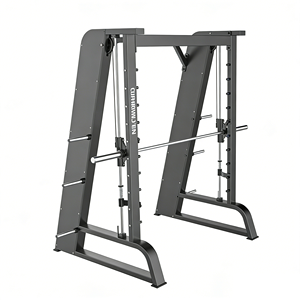
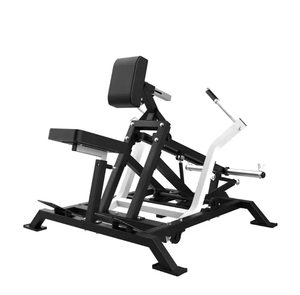
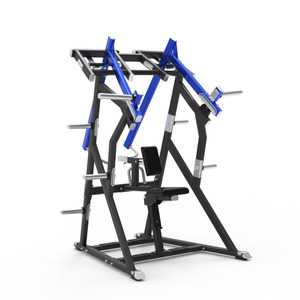
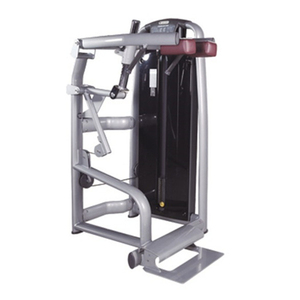
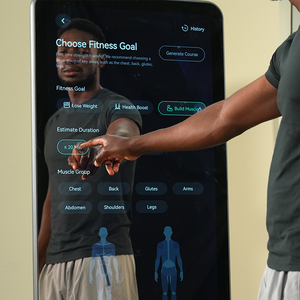
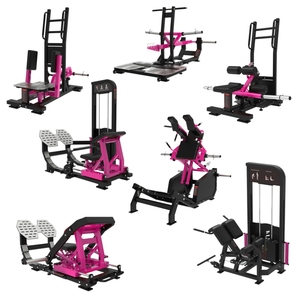
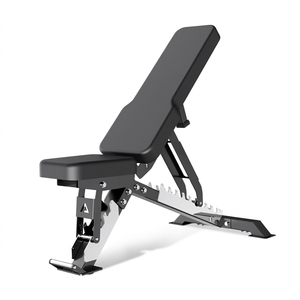
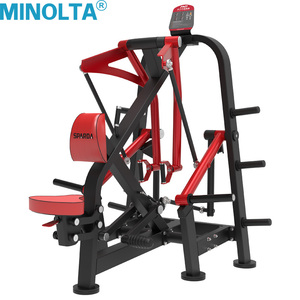
Featured Commercial Lineup
High-Performance Strength & Cardio Machinery
Heavy-duty commercial fitness equipment engineered for high-traffic fitness clubs, corporate facilities, and sports performance centers in Poland and the CEE region.
Commercial Elliptical Trainer Procurement & Supply Chain Dynamics in Poland
The Central and Eastern European (CEE) fitness infrastructure landscape is undergoing a structural transition. Poland has emerged as the principal growth engine for commercial health clubs, boutique fitness centers, hotel wellness suites, and corporate athletic facilities across the region. With major urban centers such as Warsaw, Kraków, Wrocław, Poznań, and the Tri-City (Gdańsk-Gdynia-Sopot) experiencing record commercial real estate expansion, the demand for ultra-durable, biomechanically precise cardiovascular and strength training equipment has reached unprecedented levels.
Commercial elliptical cross-trainers represent the foundational backbone of modern cardio zones. Because ellipticals deliver closed-kinetic-chain cardiorespiratory exercise without damaging axial impact on lower-body articulation (hips, knees, and ankles), they cater to the widest demographic spectrum of gym members—from high-performance athletes engaged in low-impact active recovery to corporate wellness users and active aging populations. For facility operators and commercial equipment distributors sourcing from OEM factories and direct exporters supplying Poland, selecting machines that balance heavy-duty mechanical reliability, low total cost of ownership (TCO), and human-centric ergonomics is essential for driving member retention and maximizing yield per square meter.
Strategic Market Insight: Facility procurement teams across Poland are prioritizing dual-zone strength and cardio synergy. Sourcing heavy-duty commercial ellipticals alongside precision selectorized and plate-loaded strength lines from vertically integrated manufacturers ensures visual brand cohesion, simplified logistics, and consolidated after-sales technical support.
This industry guide explores the technical parameters, localized application environments, compliance standards, and factory export frameworks required to deploy high-grade commercial elliptical trainers and complementary strength machinery throughout Poland and the broader European Union.
Localized Application Scenarios Across Polish Fitness Facilities
Equipment specifications must align precisely with the operational profile, user volume, and architectural constraints of the destination facility. In Poland’s rapidly evolving health and wellness sector, commercial ellipticals and integrated strength solutions serve distinct operational use cases:
Operated in continuous rotation within high-footfall metro networks (such as CityFit, Calypso, or Zdrofit models), ellipticals must endure up to 16 hours of daily operational load. Key requirements include self-powered electromagnetic induction braking, 11-gauge cold-rolled steel frames, sealed industrial bearings, and frictionless magnetic resistance systems that minimize wear parts.
Luxury Hospitality & Baltic Coast Resort Spas
Hotels, thermal resorts, and luxury wellness retreats in Zakopane, Sopot, and Kołobrzeg demand quiet, aesthetic cardio equipment with sleek footprints, low step-up heights, and intuitive digital consoles. Quiet operation (<50 dB) and elegant metallic frame coatings are vital to match high-end interior architecture.
Corporate Office Parks & Tech Hub Fitness Suites
Global enterprise campuses located in Warsaw Business Garden, Kraków Enterprise Park, and Wrocław Innovation Hubs install on-site corporate wellness rooms. Machines must offer space-saving engineering, multi-grip handlebar configurations to suit varying user heights, and plug-and-play connectivity.
Medical Rehabilitation & Sports Performance Centers
Physiotherapy clinics and athletic performance centers across Poland utilize commercial ellipticals with variable stride length adjustments, low fixed Q-factors (pedal distance < 50mm), and precise watt-controlled resistance profiles for accurate metabolic and biomechanical tracking.
The architectural foundation of an industrial-grade elliptical trainer lies in its kinetic geometry and structural engineering. Superior commercial factories manufacture equipment that mirrors natural human gait patterns while providing zero-impact foot trajectories.
1. Q-Factor Ergonomics and Stride Kinematics
The "Q-Factor"—defined as the lateral distance between the inner edges of the foot pedals—is a critical metric in commercial elliptical design. Excessive lateral pedal width forces abnormal hip abduction and knee valgus stress during high-cadence training. Leading export manufacturers maintain an ultra-narrow Q-Factor between 30mm and 45mm. Combined with an optimized elliptical stride trajectory ranging from 508mm to 584mm (20 to 23 inches), this geometry replicates natural running stride biomechanics, relieving strain on the anterior cruciate ligament (ACL) and lumbar spine.
2. Drive Mechanism and Resistance Systems
Factory exporters delivering to Polish and European distributors utilize dual-belt driven system architectures featuring Poly-V ribbed belts coupled with heavy balanced flywheels (typically 12kg to 16kg dynamic inertia). Electromagnetic Induction Braking (EMS) systems are preferred over mechanical friction pads, eliminating maintenance wear points, delivering instant watt-controlled resistance shifts across 30 to 40 levels, and generating self-powering energy for internal electronics.
Technical Feature
Commercial Grade (Factory Export)
Light Commercial / Residential
Procurement Advantage for Polish Gyms
Frame Construction
11-Gauge (3.0mm) Structural Steel Tubing
14-to-16 Gauge (1.5-2.0mm) Steel
Supports heavy user loads (>180kg), structural anti-flex lifetime durability.
Resistance System
Self-Generating EMS Induction Brake
Manual Servo Motor / Friction Pad
Zero external electricity cost, lower operational wear, silent operation.
Pivot Bearings
Double-Sealed Commercial SKF/NSK Bearings
Standard Bushings or Single Bearings
Maintenance-free joint articulation for over 5 million rotation cycles.
Surface Treatment
Electrostatic Zinc Primer + Dual Powder Coat
Single Stage Liquid Paint
Maximum resistance to sweat corrosion and humid pool-side environments.
Certification Compliance
EN ISO 20957-1 / EN 957-9 Class S (Studio)
EN 957 Class H (Home)
Mandatory legal rating for commercial gym insurance & EU facility audit compliance.
Localized Industry Trends in the Polish Fitness Ecosystem
Understanding regional commercial preferences enables gym owners and equipment importers to future-proof their facility layout and capital investments.
1. ESG & Energy Efficiency Mandates
Polish facility operators are acutely focused on energy consumption due to rising utility tariffs across Europe. Self-generating commercial ellipticals and human-powered strength machinery reduce facility electrical loads, contributing to green building certifications (LEED/BREEAM) for corporate fitness centers.
2. Hybrid Cardio-Strength Zone Integration
Fitness floor architecture in Poland has shifted from segregated cardio rooms to integrated HIIT and functional training ecosystems. Operators place ellipticals immediately adjacent to Smith machines, plate-loaded seated rows, and glute drive stations to allow fluid circuit training.
3. Digital Ecosystem Openness
Polish gym members expect console connectivity (Bluetooth FTMS, ANT+, Apple GymKit, and Kinomap/Zwift compatibility). Exporters providing telemetry-ready consoles enable operators to aggregate usage metrics and execute predictive maintenance schedules.
As a global fitness manufacturing entity with strong engineering roots, our production systems deliver reliable equipment directly to Polish distributors, equipment wholesalers, and commercial club chains.
Vertical Manufacturing Integration
From raw structural steel laser cutting and robotic 3D welding to automated dual powder-coating assembly, every frame step occurs under stringent ISO 9001:2015 quality controls. This prevents frame misalignment and ensures 100% replacement part interchangeability.
Biomechanical R&D Heritage
Leveraging decades of Canadian-engineered biomechanical precision (exemplified across selectorized, plate-loaded, and multi-station strength series), our movement arms, cam curves, and footplate angles eliminate joint stress while maximizing muscle recruitment.
Custom OEM Branding & Colorways
We provide full customization options for Polish chain buyers: custom frame powder coating (RAL color spectrum), custom upholstered logo embroidery, localized console software (Polish language support), and bespoke packaging specs.
Streamlined Supply Chain to Poland
Containerized sea freight routes directly to the Port of Gdańsk or Port of Gdynia, combined with efficient overland rail delivery to Warsaw, Kraków, and Poznań, ensure predictable transit timelines, full CE compliance paperwork, and duty-optimized EU customs clearance.
Enterprise Procurement Guidance
Frequently Asked Questions for Commercial Importers in Poland
What European certifications are required when importing commercial ellipticals into Poland?
All commercial cardio and strength equipment imported into Poland and the European Union must strictly comply with the CE directive, EN ISO 20957-1 (General Safety Requirements), and EN 957-9 (Specific Safety Requirements for Elliptical Trainers, Class S for Commercial Studio use). Additionally, internal electronics must meet Electromagnetic Compatibility (EMC) and RoHS environmental standards.
How are shipping logistics handled from the manufacturing facility to Polish destinations?
Shipments are packaged in reinforced plywood crates or heavy-duty palletized master cartons to prevent transit damage. Orders travel via ocean freight to the Baltic ports of Gdańsk or Gdynia, or overland intermodal freight, followed by direct customs-cleared truck transport to warehouse facilities or gym sites across Warsaw, Silesia, Lower Silesia, or Lesser Poland.
Can equipment be customized with custom colors and gym chain branding?
Yes. Factory OEM/ODM services allow commercial buyers to select specific frame powder-coat finishes (matching corporate RAL palettes), customized shroud covers, branded console boot screens, and custom upholstery stitching tailored to the chain's visual identity.
What is the typical lead time for a full container load (FCL) of commercial gym machinery?
Standard factory production lead time for a full container (combining ellipticals, Smith machines, plate-loaded rows, and benches) is typically 30 to 45 days post-specification approval, with an additional 25 to 35 days for sea transit and customs dispatch into Poland.
How are spare parts and technical service supported in the CEE region?
Factories provide fast-track spare parts dispatches (including belts, generators, display PCBs, bearings, and cables) alongside critical spare parts packages shipped within the initial container. Full technical schematics, exploded view catalogs, and digital diagnostic guides support local facility maintenance crews.
Request a Commercial Fit-Out Quote or Distribution Partnership
Consult with our enterprise procurement specialists to design your gym floor, review factory OEM pricing, and arrange direct export shipping to Poland and CEE territories.