Featured Commercial Seated Row Machines & Back Training Systems
Explore high-performance commercial selectorized and plate-loaded seated row machines engineered for heavy-duty commercial facilities, physiotherapy hubs, and sports performance centers across the Netherlands.
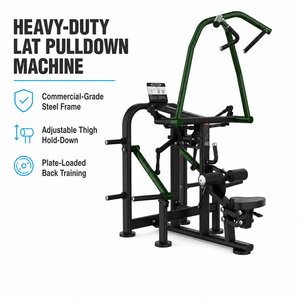
A704 Model Seated Low Row Machine Heavy Duty Commercial Gym Strength Equipment
Contact Us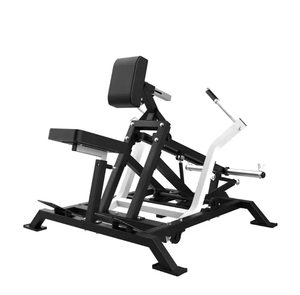
Commercial Gym Steel Rowing Machine Plate Loaded Back Training Seated Row Equipment For Arms Bodybuilding Chest Strength
Contact Us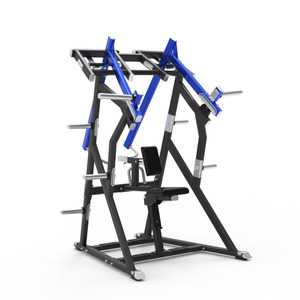
New Style Workout Gym Machines Commercial Strength Training Fitness Equipment Seated Rowing Machine for Sale
Contact Us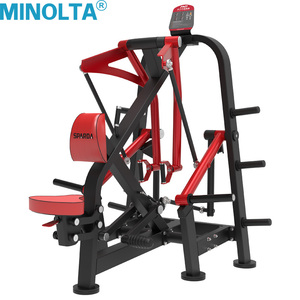
Gym Equipment Manufacturer Sparda Machines Wholesale Fitness Equipment Super Low Row For Strength Training
Contact Us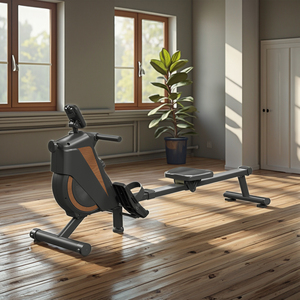
Professional-Designed Magnetic Resistance Indoor Seated Rowing Machine with Digital Monitor Guaranteed Quality for Home Gym Use
Contact Us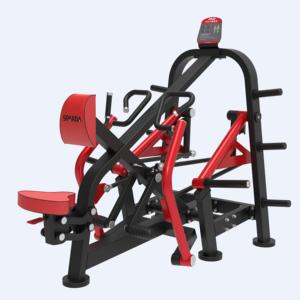
Sparda Strength Training Gym Fitness Equipment Bodybuilding Machine Seated Rowing Trainer For Exercise
Contact Us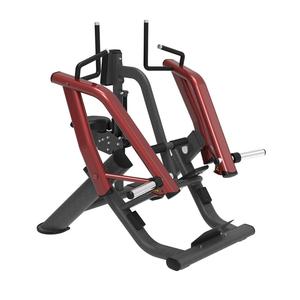
Professional Commercial Fitness Gym Equipment Adjustable Safety Durable Plate Loaded Strength Training Back Exercise Seated Row
Contact Us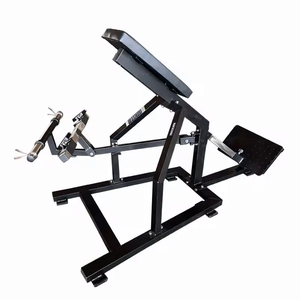
Commercial Gym Equipment Popular T Bar Rower Reloaded Incline Level Row Multi-Gym Fitness Machine Made Of Steel
Contact UsExecutive Whitepaper: The Seated Row Manufacturing Ecosystem in the Netherlands
Strategic insights into Dutch gym procurement, factory vertical integration, and biomechanical compliance.
The Netherlands fitness market represents one of Europe's most mature, high-density, and sophisticated commercial wellness sectors. With gym penetration rates consistently exceeding 18% nationwide and major commercial operators expanding rapidly across the Randstad region (Amsterdam, Rotterdam, The Hague, Utrecht), the demand for high-tier strength training machinery has evolved dramatically. Modern Dutch facility operators no longer seek basic weight resistance units; they require highly engineered, ergonomically specialized apparatuses that combine extreme structural durability with refined biomechanical resistance curves.
Among strength training equipment, the seated row machine stands out as a core cornerstone of any commercial strength floor layout. Targeting the posterior chain—specifically the latissimus dorsi, rhomboids, middle and lower trapezius, and posterior deltoids—the seated row machine is indispensable for hyper-trophy training, postural rehabilitation, and functional athletic conditioning. However, procuring seated row machinery within the Netherlands presents unique operational decisions for fitness facility owners, commercial gym chains, and equipment distributors.
Commercial gym operators in cities like Eindhoven, Almere, and Groningen face stringent European Union safety standards (EN ISO 20957-1/2 Class S for commercial use). Consequently, identifying top-tier seated row machine factories capable of delivering certified structural integrity, precision laser-cut steel tubing, smooth pulley dynamics, and long-term spare part support is critical to maintaining high member satisfaction and minimizing operational downtime.
Biomechanical Architecture of Commercial Seated Row Machines
Understanding the engineering principles that dictate muscle isolation, user safety, and machinery longevity.
To maximize hypertrophy while mitigating shoulder impingement and lower-back lumbar strain, modern seated row machine factories implement advanced biomechanical engineering concepts into frame production. A high-performance commercial seated row machine must account for human joint articulation, dynamic leverage ratios, and varying user anatomies.
Diverging & Converging Movement Paths
Unlike traditional fixed-bar pulley rows, premium factory designs feature independent iso-lateral arms with diverging or converging axis geometry. This mirrors the natural arc of the scapular retraction, preventing wrist stress and maximizing latissimus dorsi peak contraction.
Variable Resistance Cam Geometry
By utilizing custom-milled elliptical cams, the resistance load adjusts continuously throughout the movement range. This matches human strength curves, offering higher load where muscle leverage is strongest and lighter load at full extension to protect joint capsular tissue.
Adjustable Ergonomic Contact Points
High-traffic Dutch commercial facilities require intuitive ratcheting chest pads and foot brace plates. High-density polyurethane foam padding enclosed in commercial-grade anti-bacterial vinyl ensures comfort during max-load strength work.
Furthermore, structural raw materials define the boundary between home-grade equipment and commercial-grade heavy machinery. Leading commercial fitness manufacturers employ heavy-gauge flat-oval structural steel tubing (typically 50mm x 100mm with 3.0mm wall thickness), precision robotic laser cutting, and double-pass electrostatic powder coating to withstand heavy usage in high-turnover gyms.
Technical Comparison: Plate-Loaded vs. Selectorized Seated Row Machinery
| Feature Spec | Selectorized Seated Low Row | Plate-Loaded Iso-Lateral Row | T-Bar Incline Level Rower |
|---|---|---|---|
| Target User Profile | General fitness, beginners, rehab, high-speed circuit training | Advanced lifters, bodybuilders, athletic performance athletes | Powerlifters, back hypertrophy specialists, heavy load training |
| Resistance Mechanism | Enclosed steel weight stack (up to 120kg) with magnetic selector pin | Olympic weight plate pegs (50mm sleeve diameter) | Olympic weight plate loading on a leverage fulcrum arm |
| Frame Tubing Spec | Q235 50x100x3.0mm structural steel oval tube | Heavy-duty 11-gauge 60x120x3.0mm steel tubing | High-tensile 75x75x3.5mm square/oval box steel |
| Cable / Transmission | 7x19 strand 6mm aircraft-grade steel cable (2000lb rated) | Direct pivot arm shaft with sealed pillow-block bearings | Dual industrial-grade heavy duty roller bearings |
| Footprint & Space Efficiency | Compact rectangular footprint, easily paired in multi-station lines | Wider side clearance required for plate loading/unloading | Linear longitudinal footprint requiring rear plate clearance |
| EN ISO 20957 Rating | Class S (Commercial Grade certified) | Class S (Commercial Grade certified) | Class S (Commercial Grade certified) |
Localized Application Scenarios Across Dutch Fitness Sectors
Deploying specialized seated row equipment in diverse commercial real estate environments in the Netherlands.
1. High-Density Commercial Gym Chains (Amsterdam & Rotterdam)
Large-scale commercial chains operating in Dutch urban centers demand ultra-durable selectorized row machines. Equipment must withstand 16+ hours of continuous daily operation. Sealed internal pulleys, anti-tamper cable connectors, and wear-resistant leatherette upholstery are essential to prevent downtime and maintain brand reputation across franchised locations.
2. Dutch Physiotherapy & Rehabilitation Centers (KNGF Aligned)
Under the Royal Dutch Society for Physical Therapy (KNGF) framework, medical exercise therapy (KVT) requires strength machines with micro-adjustment increments (e.g., 2.5kg add-on weights) and low initial starting resistance. Seated low row machines with chest stabilization help patients recover from thoracic spine surgery, shoulder instability, and postural kyphosis safely.
3. Boutique Strength & Conditioning Studios (Utrecht & Eindhoven)
Boutique personal training facilities in tech hubs like Eindhoven prioritize aesthetics, customizable frame finishes (matte black, anthracite grey, or custom RAL colors matching brand identity), and heavy plate-loaded rowers like T-Bar row machines that appeal to serious strength enthusiasts seeking maximum lat engagement.
Dutch Procurement Trends: Sustainability, TCO & Logistics
Key economic and environmental drivers shaping commercial gym equipment purchases in the EU.
Procurement directors and facility managers in the Netherlands are operating under shifting economic and regulatory mandates. When evaluating seated row machine factories for bulk procurement, four key trends dominate decision-making:
- Circular Economy & Recyclability: The Dutch government's initiative toward a circular economy by 2050 incentivizes gym equipment purchases made from fully recyclable steel alloys and eco-compliant, non-toxic powder coatings free from heavy metals or VOCs.
- Total Cost of Ownership (TCO): Dutch buyers look beyond initial purchase price. Machines featuring maintenance-free sealed bearings, corrosion-resistant chrome weight sleeves, and easily replaceable wear pads yield a lower TCO over a 7-to-10-year lifecycle.
- Port of Rotterdam Logistics Efficiency: Sourcing direct from major overseas manufacturing facilities via ocean transport directly into the Port of Rotterdam provides streamlined duty clearance and reduced inland freight distance across Central Europe.
- Space Optimization for Urban Real Estate: Commercial rent per square meter in Randstad cities is premium. Multi-functional row machines—such as dual-axis low rowers or combined lat pulldown/seated row units—help maximize revenue per square meter of gym floor space.
Frequently Asked Questions (FAQ) for Dutch & European Buyers
Expert answers addressing compliance, import logistics, OEM customization, and maintenance.
Our Factory Advantage: Vertically Integrated Strength Manufacturing
Leveraging 250+ strength machine catalog capability, advanced metallurgy, and direct export expertise.
Partnering directly with an established commercial fitness equipment factory offers unrivaled structural, economic, and operational advantages. With over 250+ selectorized machines, plate-loaded stations, squat racks, and weightlifting platforms engineered under one roof, our production infrastructure delivers uncompromising quality control from raw steel ingestion to final container loading.
In-House Robotic Fabrication
Every seated row machine frame is processed using automated fiber laser tubing cutters and multi-axis welding robots. This eliminates dimensional variances, ensuring zero frame warp and ultra-smooth pulley tracking across thousands of production units.
Rigorous Quality Inspection
Prior to shipment, every seated row unit undergoes strict dynamic testing: weight stack selector pin alignment checks, 100% cable tension tolerance tests, electro-static paint thickness testing (100–120 microns), and structural load strain verification.
Direct Global Logistics Support
We manage door-to-port and door-to-door delivery pipelines for European buyers, ensuring accurate HS Code classification (9506.91), optimized sea container loading to minimize freight cost, and comprehensive customs documentation for the Netherlands.
Build Your Ultimate Commercial Strength Floor
Connect with our technical sales engineers to request factory-direct wholesale quotes, 3D CAD facility floor planning, and customized OEM specifications for your gym project in the Netherlands.
Contact Us